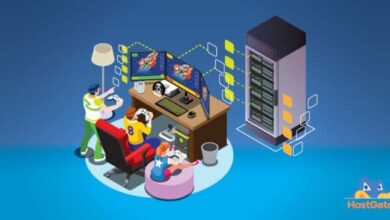
In the realm of online gaming, dedicated servers stand as beacons of performance, control, and security, offering gamers an unparalleled experience that shared hosting simply cannot match. These specialized machines are tailored exclusively to the demands of gaming, providing players with the ultimate platform to connect, compete, and immerse themselves in their favorite virtual worlds.
Dedicated servers unlock a world of possibilities for gamers of all levels. Whether you’re a casual player seeking a lag-free experience or a competitive gamer striving for victory, a dedicated server can elevate your gaming journey to new heights. With the ability to customize settings, optimize performance, and ensure the utmost security, dedicated servers empower gamers to take full control of their gaming environment and unlock their true potential.


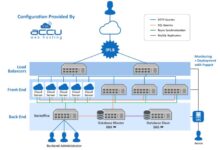

Dedicated Server Overview
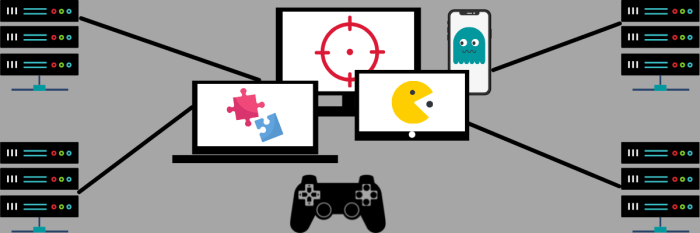
Dedicated servers provide an exceptional gaming experience by dedicating hardware resources exclusively to a single user or organization. Unlike shared hosting, where multiple users share a server’s resources, dedicated servers offer complete control over hardware, software, and network configuration, resulting in superior performance, enhanced security, and tailored gaming environments.
Common Use Cases
Dedicated servers are widely used in various gaming scenarios, including:
- Competitive Gaming: Dedicated servers are the backbone of competitive gaming, ensuring low latency, high bandwidth, and reliable connections for intense multiplayer matches.
- Massively Multiplayer Online Games (MMOs): MMOs, with their vast virtual worlds and large player bases, require dedicated servers to handle the demanding requirements of simultaneous player interactions and data processing.
- Game Development and Testing: Game developers often use dedicated servers to test new games, monitor server performance, and conduct stress tests in a controlled environment.
Benefits of Dedicated Servers
Dedicated servers offer several advantages over shared hosting, making them the preferred choice for serious gamers and organizations:
- Improved Performance: Dedicated servers provide dedicated hardware resources, eliminating the performance bottlenecks and lag associated with shared hosting. This results in faster load times, smoother gameplay, and an overall enhanced gaming experience.
- Complete Control: With a dedicated server, you have complete control over the hardware, software, and network configuration. This allows you to customize the server to meet your specific requirements, optimize performance, and install custom mods or applications.
- Enhanced Security: Dedicated servers provide enhanced security measures, protecting your data and gaming sessions from unauthorized access and malicious attacks. This is especially crucial for competitive gaming and online transactions.
Choosing the Right Dedicated Server
Selecting the appropriate dedicated server is crucial for a seamless gaming experience. Consider factors like CPU, RAM, storage, and network bandwidth to ensure your server meets the demands of your games and player count.
CPU and RAM
The CPU (Central Processing Unit) is the brain of your server, handling game logic, physics calculations, and player interactions. Choose a server with a powerful CPU, such as an Intel Core i7 or AMD Ryzen 7, to ensure smooth gameplay and minimize lag.
RAM (Random Access Memory) stores temporary data and instructions, affecting game loading times and overall performance. Aim for at least 16GB of RAM for most games, and consider upgrading to 32GB or more for demanding titles or larger player counts.
Storage
Storage capacity is essential for installing games, maps, and mods. Choose a server with ample storage space to accommodate your current and future gaming needs. Consider factors like the size of the games you play, the number of players, and the frequency of updates.
A server with a 1TB or 2TB hard drive should suffice for most users, but you may need more storage if you plan to host multiple games or store large amounts of data.
Network Bandwidth
Network bandwidth determines the speed at which data can be transferred between your server and players. For a lag-free gaming experience, choose a server with high bandwidth, such as 1Gbps or higher. Consider your player base’s location and the number of concurrent players when selecting bandwidth.
A server with sufficient bandwidth will ensure that all players can connect and play without experiencing lag or connection issues.
Setting Up and Configuring a Dedicated Server
Setting up a dedicated server for gaming can enhance your gaming experience by providing a stable and optimized environment. This step-by-step guide will help you set up and configure a dedicated server, ensuring smooth gameplay and minimal downtime.
Choosing the Right Hardware
Selecting the appropriate hardware is crucial for a dedicated gaming server. Consider factors such as the number of players, the games you intend to host, and your budget. Invest in reliable components, including a powerful processor, ample RAM, and a fast storage solution.
Installing the Operating System
Once you have chosen the hardware, install a suitable operating system. Popular options include Windows Server, Linux distributions like Ubuntu Server or CentOS, and specialized gaming operating systems such as SteamOS. Choose the one that best suits your needs and expertise.
Installing Game Servers
After installing the operating system, you need to install the game servers for the games you want to host. Game servers are software applications that manage the game logic, player connections, and other aspects of the gaming experience. Follow the installation instructions provided by the game developers.
Configuring the Game Servers
Once the game servers are installed, you need to configure them to your liking. This includes setting up player accounts, creating game worlds, and adjusting various game settings. Refer to the game server documentation for specific instructions.
Installing a Control Panel
A control panel provides a graphical user interface (GUI) for managing your dedicated server. It allows you to easily perform tasks such as starting and stopping game servers, monitoring server resources, and managing player accounts. Popular control panels include Multicraft, GameCP, and Pterodactyl.
Troubleshooting Common Issues
During the setup process, you may encounter common challenges such as port forwarding issues, firewall conflicts, or game server crashes. To troubleshoot these issues, check your network configuration, adjust firewall settings, and consult the game server documentation or online forums for specific solutions.
Managing and Maintaining a Dedicated Server
Maintaining a dedicated server is crucial for its optimal performance, security, and stability. Proper management and maintenance practices ensure the server runs smoothly, resources are used efficiently, and data is protected.
Server management involves monitoring resource usage, ensuring server security, and performing regular backups. Resource optimization includes allocating resources efficiently, optimizing software configurations, and implementing load balancing techniques.
Optimizing Server Performance
Optimizing server performance enhances the overall efficiency and responsiveness of the server. It involves:
- Resource Allocation: Efficiently allocate resources like CPU, RAM, and storage to applications and services based on their requirements.
- Software Optimization: Tune operating system and application configurations to improve performance. Use lightweight software and minimize unnecessary processes.
- Load Balancing: Distribute workloads across multiple servers or components to prevent overloading and improve scalability.
Monitoring Resource Usage
Monitoring resource usage helps identify potential bottlenecks and optimize resource allocation. It involves:
- System Metrics: Monitor CPU usage, memory utilization, disk I/O, and network traffic to identify resource-intensive processes or applications.
- Application Metrics: Track application-specific metrics like response times, error rates, and user activity to identify performance issues.
- Alerts and Notifications: Set up alerts and notifications to promptly inform administrators about resource usage thresholds, errors, or performance degradation.
Ensuring Server Security
Securing the server protects it from unauthorized access, cyberattacks, and data breaches. It involves:
- Firewall Configuration: Implement a firewall to control incoming and outgoing traffic, blocking unauthorized access and malicious traffic.
- Access Control: Configure user accounts and permissions to restrict access to sensitive data and critical system resources.
- Software Updates: Regularly update the operating system, applications, and software components to patch security vulnerabilities.
- Intrusion Detection and Prevention: Deploy intrusion detection and prevention systems to monitor network traffic and identify suspicious activities.
Regular Backups and Disaster Recovery
Regular backups protect data from accidental deletion, hardware failures, or cyberattacks. Disaster recovery plans ensure business continuity in the event of a major disruption.
- Backup Strategies: Implement regular backups to a secure location, such as a remote server or cloud storage. Consider incremental and full backups to optimize storage usage.
- Backup Testing: Regularly test backups to ensure they are complete and restorable. This ensures data can be recovered successfully in case of a disaster.
- Disaster Recovery Plan: Develop a comprehensive disaster recovery plan that Artikels steps to be taken in the event of a server failure or major disruption. This includes procedures for restoring data, reconfiguring the server, and resuming operations.
Troubleshooting and Resolving Common Issues

Identifying and resolving common issues that may arise when running a dedicated server for gaming is essential to ensure a smooth and enjoyable gaming experience. These issues can range from network connectivity problems to server crashes and game lag. By understanding the potential issues and following detailed troubleshooting steps, you can effectively address and resolve them, minimizing downtime and ensuring optimal performance.
Identifying Common Issues
Some common issues that may arise when running a dedicated server for gaming include:
- Network connectivity problems: Players may experience difficulties connecting to the server, resulting in failed login attempts or disconnections.
- Server crashes: The dedicated server may unexpectedly shut down or crash, causing disruptions to ongoing gaming sessions.
- Game lag: Players may experience delays or stuttering during gameplay, affecting the overall gaming experience.
- High ping: Players may encounter high latency or “ping,” resulting in delayed responses and actions in the game.
- Server configuration errors: Incorrect server settings or configurations can lead to various issues, such as compatibility problems or performance degradation.
Optimizing Dedicated Server Performance
Optimizing your dedicated server is essential for a lag-free, immersive gaming experience. Whether you’re hosting Minecraft, Call of Duty, or any other multiplayer game, fine-tuning your server’s performance can make all the difference.
Network Latency
Latency is the bane of online gaming. To minimize it:
- Choose a server location close to your players’ geographic region.
- Ensure your server has sufficient bandwidth to handle the number of players.
- Optimize your network configuration for gaming traffic.
Server Load
High server load can cause lag and crashes. To keep your server running smoothly:
- Monitor server resource usage and adjust resource allocation accordingly.
- Use server-side mods and plugins to reduce server load.
- Regularly prune inactive or rarely used mods and plugins.
Game Server Settings
Fine-tuning game server settings can significantly improve performance.
- Adjust the server’s tick rate for optimal performance.
- Configure server-side settings to optimize gameplay and minimize lag.
- Use mods and plugins to further customize server settings.
Monitoring and Troubleshooting
Regularly monitoring your server’s performance is key to identifying and resolving issues.
- Use server monitoring tools to track resource usage, latency, and other metrics.
- Analyze server logs to identify potential issues and errors.
- Stay updated on game patches and server software updates.
Cost Considerations and Budgeting
Running a dedicated server for gaming involves various cost factors that must be considered to ensure financial sustainability and maintain server quality. This section will delve into the key cost elements associated with dedicated servers and provide guidance for creating a budget that covers essential expenses while optimizing costs.
Hardware Costs
The hardware components of a dedicated server, including the server chassis, processors, memory, storage, and network interface cards, represent a significant portion of the initial investment. It’s crucial to select hardware that meets the specific requirements of the games and the anticipated player base to ensure optimal performance and avoid bottlenecks.
Factors influencing hardware costs include:
- Server Specifications: Higher-end components, such as powerful processors, ample memory, and fast storage, come with a higher price tag.
- Scalability and Upgradability: Choosing hardware that allows for future upgrades can extend the server’s lifespan and accommodate growth in the player base.
- Brand and Manufacturer: Different brands and manufacturers offer varying pricing for similar hardware configurations.
Software Costs
In addition to hardware, software costs also play a significant role in the overall budget. This includes the operating system, game server software, and any additional applications or tools required for server management and security.
Factors influencing software costs include:
- Licensing Fees: Some operating systems and game server software require licensing fees, which can be a recurring expense.
- Open-Source Alternatives: Opting for open-source software can help reduce licensing costs, but may require additional expertise for setup and maintenance.
- Subscription Services: Certain software and services, such as DDoS protection or server monitoring tools, may require ongoing subscription fees.
Maintenance and Upgrades
Regular maintenance and potential upgrades are essential to keep the dedicated server running smoothly and securely. These costs can include:
- Server Monitoring: Implementing monitoring tools and services to track server performance and identify potential issues proactively.
- Security Updates: Regularly applying security patches and updates to protect the server from vulnerabilities and exploits.
- Hardware Maintenance: Periodic maintenance tasks, such as cleaning and replacing aging components, can extend the server’s lifespan.
- Hardware Upgrades: As games and technologies evolve, upgrading hardware components may be necessary to maintain optimal performance.
Budgeting and Optimization
To create a comprehensive budget for a dedicated gaming server, it’s important to consider all the cost factors discussed above. Additionally, the following strategies can help optimize costs while maintaining server quality and performance:
- Plan Ahead: Carefully assess the current and future requirements of the gaming server to make informed hardware and software choices that can accommodate growth.
- Shop Around: Compare prices from different vendors and consider used or refurbished hardware options to save money.
- Prioritize Quality: Invest in high-quality components that offer reliability and longevity, reducing the need for frequent replacements.
- Monitor and Optimize: Continuously monitor server performance and resource utilization to identify areas where optimizations can be made, such as adjusting server settings or implementing load balancing techniques.
Choosing a Reliable Hosting Provider
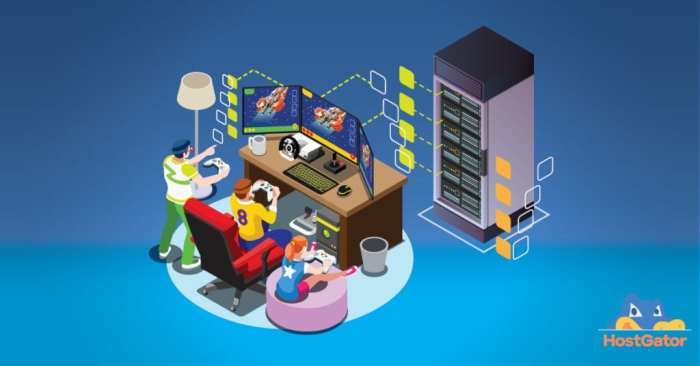
Selecting a dependable hosting provider is crucial for ensuring a stable and seamless gaming experience on a dedicated server. Look for providers with a solid track record, positive customer feedback, and a robust network infrastructure to guarantee optimal performance and minimize downtime.
Provider Reputation and Track Record
Research the reputation of potential providers by reading reviews from existing customers. Positive feedback indicates a history of reliable service, while negative reviews may highlight potential issues. Check industry forums and social media platforms for insights into the provider’s reputation and track record.
Uptime Guarantees and Network Infrastructure
Uptime guarantees reflect a provider’s commitment to maintaining server availability. Aim for providers offering 99.9% or higher uptime guarantees, ensuring minimal downtime that could disrupt gaming sessions. Evaluate the provider’s network infrastructure, including the quality of their data centers, network connectivity, and redundancy measures.
A robust network ensures fast and stable connections for smooth gameplay.
Customer Support and Technical Expertise
Assess the quality of the provider’s customer support by checking their availability, responsiveness, and expertise. Look for providers with 24/7 support channels, knowledgeable technical staff, and a proven track record of resolving issues promptly and effectively. Strong customer support ensures peace of mind and minimizes disruptions caused by technical difficulties.
Additional Considerations and Tips
To further enhance your gaming experience on a dedicated server, consider these additional tips and suggestions:
Optimizing Game Settings
Adjusting game settings can significantly impact your gaming experience. Experiment with various graphics and performance options to find the optimal balance between visual quality and smooth gameplay. Prioritize settings that directly affect your gameplay, such as network latency and input lag.
Installing Mods
Mods can add new features, content, and gameplay mechanics to your game. Carefully select mods that align with your preferences and ensure they are compatible with your game version. Always read the mod descriptions thoroughly and check user reviews before installing them.
Creating Custom Maps
If your game allows custom map creation, take advantage of this feature to design your own unique environments and challenges. Custom maps can provide a fresh and exciting gaming experience for you and your friends.
Joining Gaming Communities and Forums
Engaging with gaming communities and forums can provide valuable support, advice, and insights. These platforms often have dedicated sections for discussing dedicated servers, where you can share experiences, troubleshoot issues, and learn from others.
Final Conclusion
As you embark on your dedicated server adventure, remember that knowledge is your most potent weapon. Continuously seek out information, engage with the gaming community, and stay updated on the latest advancements in server technology. With dedication and a thirst for excellence, you can transform your dedicated server into a fortress of gaming prowess, where every battle is fought with precision, every victory is savored, and every moment is etched into the annals of gaming history.