In the ever-evolving digital landscape, businesses and organizations rely on robust hosting solutions to power their online presence and applications. Among the various hosting options available, dedicated server hosting stands out as a beacon of performance, security, and control. This comprehensive guide delves into the world of dedicated server hosting, exploring its benefits, applications, and the intricacies of managing and securing these powerful servers.
Dedicated server hosting grants organizations exclusive access to a physical server, providing unparalleled control over resources, customization, and security. Unlike shared hosting, where multiple users share a single server, dedicated hosting offers a dedicated environment tailored to the unique demands of each organization.




This guide unveils the factors to consider when selecting the right dedicated server, the responsibilities involved in server management, and strategies for optimizing performance and ensuring reliability.
Dedicated Server Hosting Overview
Dedicated server hosting is a type of web hosting in which a physical server is dedicated solely to one client. This means that the client has complete control over the server’s resources, such as CPU, RAM, and storage, and can install any software they need.
Dedicated server hosting is a good option for businesses and organizations that need high performance, security, and control over their web hosting environment. It is also a good choice for websites that experience high traffic or have specialized software requirements.
Benefits of Dedicated Server Hosting
- Complete control: Dedicated server hosting gives you complete control over your server, including the operating system, software, and security settings.
- High performance: Dedicated servers are typically more powerful than shared hosting servers, so they can handle more traffic and complex applications.
- Security: Dedicated servers are more secure than shared hosting servers because they are not shared with other websites. This makes them less vulnerable to attacks.
- Scalability: Dedicated servers can be easily scaled up or down to meet your changing needs. This makes them a good option for businesses that are growing or expecting to grow in the future.
Dedicated Server Hosting vs. Shared Hosting and Cloud Hosting
Dedicated server hosting differs from shared hosting and cloud hosting in several ways. Shared hosting is a type of web hosting in which multiple websites are hosted on the same server. This can make shared hosting less expensive than dedicated server hosting, but it also means that your website will share resources with other websites, which can slow down your website’s performance.
Cloud hosting is a type of web hosting in which your website is hosted on a network of servers. This can make cloud hosting more reliable than dedicated server hosting, but it can also be more expensive.
Choosing the Right Dedicated Server
Selecting a dedicated server requires careful consideration of factors such as performance requirements, security needs, and scalability. Understanding the different types of dedicated servers, including single-tenant, multi-tenant, and managed dedicated servers, can help you make an informed decision.
Factors to Consider
When choosing a dedicated server, it is important to consider the following factors:
- Performance Requirements: Consider the applications and workloads you plan to run on the server. High-performance applications may require more powerful hardware, such as faster processors, more RAM, and solid-state drives (SSDs).
- Security Needs: Evaluate your security requirements, including data encryption, access control, and intrusion detection systems. Ensure that the dedicated server provider offers robust security features to protect your data and applications.
- Scalability: Consider the potential growth of your business and the need for additional resources in the future. Choose a dedicated server that offers scalability options, such as the ability to add more RAM, storage, or processors as needed.
Types of Dedicated Servers
There are three main types of dedicated servers:
- Single-Tenant Dedicated Server: A single-tenant dedicated server is dedicated to a single customer, providing exclusive access to the server’s resources. This type of server offers the highest level of control and security but is typically more expensive.
- Multi-Tenant Dedicated Server: A multi-tenant dedicated server is shared among multiple customers, each with their own dedicated resources. This type of server is more cost-effective than a single-tenant dedicated server but may offer less control and security.
- Managed Dedicated Server: A managed dedicated server is a dedicated server where the server provider takes care of the server’s maintenance and management tasks, such as operating system updates, security patches, and hardware repairs. This type of server is more expensive than an unmanaged dedicated server but can save you time and resources.
Advantages and Disadvantages of Different Types of Dedicated Servers
The following table summarizes the advantages and disadvantages of each type of dedicated server:
| Type of Dedicated Server | Advantages | Disadvantages |
|---|---|---|
| Single-Tenant |
|
|
| Multi-Tenant |
|
|
| Managed |
|
|
Managing a Dedicated Server

Managing a dedicated server entails various responsibilities to ensure its optimal performance and security. These responsibilities include server maintenance, software updates, and implementing robust security measures.
Server Maintenance
Regular server maintenance is crucial for maintaining its health and preventing potential issues. This includes monitoring server performance, identifying and resolving hardware or software issues promptly, and ensuring adequate cooling and power supply.
Software Updates
Keeping software up to date is essential for security and performance. Software updates often include security patches, bug fixes, and performance enhancements. Regularly checking for and installing software updates is vital to maintain a secure and efficient server.
Security Measures
Implementing robust security measures is paramount to protect the server from unauthorized access, malware, and other threats. This includes configuring strong passwords, enabling firewalls, installing intrusion detection and prevention systems, and regularly scanning for vulnerabilities.
Optimizing Server Performance
Optimizing server performance ensures efficient resource utilization and fast response times. This can be achieved through load balancing, resource allocation, and regular performance monitoring. Additionally, using caching mechanisms and optimizing database queries can further enhance server performance.
Backups and Disaster Recovery
Regular backups are crucial for protecting data in case of hardware failure, data corruption, or security breaches. Establishing a comprehensive backup strategy, including offsite backups, is essential for disaster recovery. Regularly testing the backup and recovery process ensures data can be restored promptly in the event of a disaster.
Security Considerations for Dedicated Server Hosting
Dedicated server hosting provides businesses with greater control and flexibility, but it also comes with increased security responsibilities. Understanding common threats and vulnerabilities, implementing robust security measures, and adhering to compliance requirements are crucial for protecting dedicated servers and sensitive data.
Common Security Threats and Vulnerabilities
Dedicated servers face various security threats, including:
- Unauthorized Access: Gaining unauthorized access to the server, often through weak passwords or vulnerabilities in software.
- Malware and Viruses: Malicious software that can compromise server integrity and steal sensitive data.
- DDoS Attacks: Distributed Denial-of-Service attacks that flood the server with traffic, causing it to become unavailable.
- Phishing Scams: Attempts to trick users into revealing sensitive information, often through emails or websites that appear legitimate.
- Insider Threats: Malicious activities by authorized users with access to the server.
Strategies for Securing a Dedicated Server
To protect dedicated servers from these threats, several security measures can be implemented:
- Firewall Configuration: Implementing a firewall to monitor and control incoming and outgoing traffic, blocking unauthorized access.
- Intrusion Detection Systems (IDS): Installing IDS to detect and alert administrators to suspicious activities or security breaches.
- Access Control: Implementing strict access controls, such as multi-factor authentication and role-based access control, to limit access to authorized personnel.
- Regular Software Updates: Keeping software and operating systems up to date with the latest security patches to address vulnerabilities.
- Data Encryption: Encrypting sensitive data at rest and in transit to protect it from unauthorized access.
- Regular Backups: Regularly backing up data to a secure location to recover in case of data loss or server compromise.
Security Audits and Compliance Requirements
Regular security audits are crucial for identifying vulnerabilities and ensuring compliance with industry standards and regulations. Compliance requirements, such as PCI DSS (Payment Card Industry Data Security Standard) or HIPAA (Health Insurance Portability and Accountability Act), may apply to businesses handling sensitive data.
Meeting these requirements involves implementing specific security measures and undergoing regular audits to demonstrate compliance.By implementing these security measures and adhering to compliance requirements, businesses can significantly reduce the risk of security breaches and protect their dedicated servers and sensitive data.
Cost-Effective Dedicated Server Hosting

Optimizing the cost of dedicated server hosting requires a strategic approach. By selecting the appropriate server configuration, utilizing open-source software, and implementing energy-efficient practices, businesses can effectively manage their hosting expenses.
Understanding the cost differences between dedicated server hosting and other options like shared hosting and cloud hosting is crucial. Dedicated servers offer exclusive resources and control, while shared hosting involves sharing resources with multiple users, resulting in lower costs. Cloud hosting provides scalability and flexibility, but may incur higher costs for certain applications.
Choosing the Right Server Configuration
Selecting the right server configuration is essential for cost optimization. Assess your current and future resource requirements, such as CPU, RAM, storage, and bandwidth. Overprovisioning can lead to unnecessary expenses, while underprovisioning can hinder performance. Consider options like server virtualization to optimize resource allocation and utilization.
Utilizing Open-Source Software
Open-source software offers a cost-effective alternative to proprietary software. With no licensing fees, open-source options like Linux operating systems, Apache web server, and MySQL database can significantly reduce software expenses. Open-source software also provides a large community for support and collaboration, often leading to faster issue resolution and enhanced security.
Implementing Energy-Efficient Practices
Energy consumption is a significant factor in dedicated server hosting costs. Implementing energy-efficient practices can lead to substantial savings. Consider using energy-efficient hardware, optimizing server utilization, and employing power management tools to reduce energy consumption. Additionally, selecting a data center with a strong commitment to energy efficiency can further minimize energy costs.
Negotiating with Dedicated Server Hosting Providers
Negotiating with dedicated server hosting providers can help secure the best value for your money. Research different providers, compare their offerings, and request customized quotes. Consider negotiating factors such as contract length, payment terms, support options, and any additional services or features that may be required.
Building a strong relationship with the provider through open communication and regular check-ins can also lead to better pricing and improved service.
Examples of Dedicated Server Hosting Applications
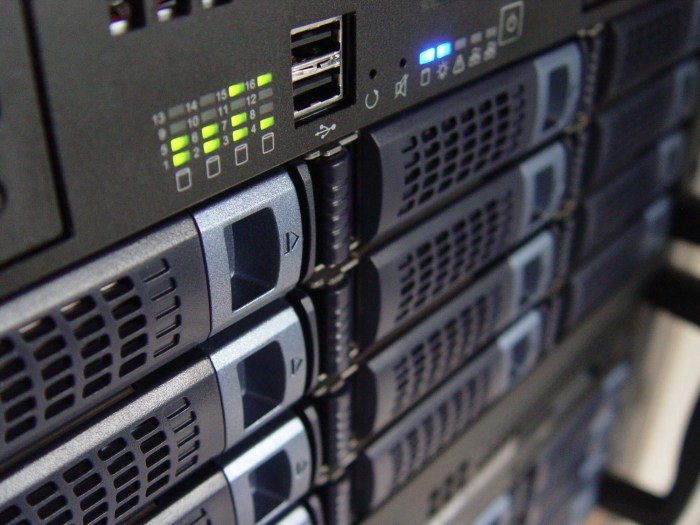
Dedicated server hosting offers exceptional performance, security, and control, making it a compelling choice for businesses and organizations with demanding IT requirements. Let’s explore real-world examples where dedicated server hosting has proven its worth.
E-commerce Websites
E-commerce businesses rely on a robust and reliable hosting solution to handle high traffic volumes, ensure fast page loading speeds, and maintain a seamless shopping experience for customers. Dedicated server hosting provides the necessary resources and scalability to accommodate fluctuating traffic patterns, secure sensitive customer data, and deliver a seamless online shopping experience.
Online Gaming Platforms
Dedicated server hosting is a cornerstone of online gaming, providing the infrastructure for multiplayer games, virtual worlds, and gaming tournaments. With its low latency, high bandwidth, and reliable uptime, dedicated server hosting ensures smooth gameplay, minimal lag, and a captivating gaming experience for players.
Enterprise Resource Planning (ERP) Systems
ERP systems are mission-critical applications that manage core business processes, including finance, supply chain, and customer relationship management. Dedicated server hosting provides the stability, security, and performance required to run these complex systems, ensuring seamless operations and uninterrupted access to business-critical data.
Data-Intensive Applications
Businesses that handle large volumes of data, such as big data analytics, scientific research, and media production, require a hosting solution that can accommodate their extensive storage and processing needs. Dedicated server hosting offers the capacity, scalability, and processing power to handle even the most demanding data-intensive applications.
Case Study: XYZ Company
XYZ Company, a leading provider of online education courses, experienced significant growth in its user base, resulting in increased traffic and strain on its existing hosting infrastructure. The company turned to dedicated server hosting to meet the demands of its growing user base.
With dedicated servers, XYZ Company gained the flexibility to scale its resources, improve website performance, and ensure a seamless learning experience for its students.
Summary
Dedicated server hosting empowers organizations with the flexibility, security, and control they need to thrive in the digital realm. By understanding the nuances of dedicated server hosting, businesses can make informed decisions about their hosting needs and unlock the full potential of their online presence.
This guide has provided a comprehensive overview of dedicated server hosting, arming readers with the knowledge to navigate the complexities of server selection, management, and security. Embrace the power of dedicated servers and unleash the boundless possibilities of your digital endeavors.