In today’s data-driven world, the demand for reliable and efficient IT infrastructure has skyrocketed. Dedicated servers have emerged as a cornerstone of this digital landscape, offering businesses and organizations the power and control they need to host their critical applications and services.
However, the environmental impact of traditional dedicated servers has become a growing concern, prompting the rise of green dedicated servers as a sustainable alternative.


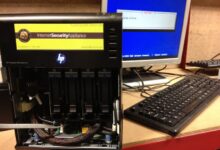

Green dedicated servers harness the power of renewable energy sources, such as solar, wind, and hydropower, to significantly reduce their carbon footprint and promote environmental sustainability. By adopting green dedicated servers, businesses can align their IT operations with their sustainability goals and contribute to a greener future.
Dedicated Server with Green Energy
A dedicated server with green energy is a type of hosting service that utilizes renewable energy sources, such as wind or solar power, to power its servers. Unlike traditional dedicated servers that rely on non-renewable energy sources like fossil fuels, a dedicated server with green energy offers a more environmentally sustainable option for businesses and organizations seeking a reliable and eco-friendly hosting solution.
The primary distinction between a dedicated server with green energy and a traditional dedicated server lies in their environmental impact. By harnessing renewable energy sources, dedicated servers with green energy significantly reduce their carbon footprint and contribute to a cleaner and more sustainable future.
This alignment with eco-friendly practices appeals to environmentally conscious businesses and organizations seeking to minimize their ecological impact.
Green Energy Sources
Dedicated servers with green energy typically employ various renewable energy sources to power their operations. These sources include:
- Solar Energy: Utilizing solar panels to convert sunlight into electricity, solar energy is a widely adopted renewable energy source for dedicated servers.
- Wind Energy: Dedicated servers can harness the power of wind through wind turbines, which convert the kinetic energy of moving air into electricity.
- Hydropower: By capturing the energy of flowing water, hydroelectric power plants generate electricity for dedicated servers.
Environmental Benefits
Dedicated servers with green energy offer several environmental benefits, including:
- Reduced Carbon Emissions: By relying on renewable energy sources, dedicated servers minimize their greenhouse gas emissions, contributing to the fight against climate change.
- Sustainable Energy Consumption: Green energy sources are inexhaustible, ensuring a sustainable and long-term energy supply for dedicated servers.
- Positive Brand Image: Adopting a dedicated server with green energy aligns a business’s brand with eco-friendly practices, enhancing its reputation among environmentally conscious customers.
Cost Considerations
While dedicated servers with green energy offer environmental advantages, they may come with higher costs compared to traditional dedicated servers. This is due to the initial investment required for renewable energy infrastructure and the ongoing maintenance costs associated with green energy technologies.
Benefits of Using a Dedicated Server with Green Energy
Harnessing green energy for dedicated servers offers a myriad of advantages, ranging from environmental sustainability to cost savings. By embracing renewable energy sources, businesses can minimize their carbon footprint and contribute to a greener future while reaping the benefits of enhanced server performance and reliability.
Environmental Sustainability
Green energy sources, such as wind, solar, and hydropower, generate electricity without emitting greenhouse gases, thereby reducing the environmental impact of data centers. By utilizing dedicated servers powered by green energy, businesses can align their operations with sustainability goals and demonstrate their commitment to environmental responsibility.
Cost Savings
In the long run, green energy can lead to significant cost savings. Renewable energy sources are becoming increasingly cost-competitive with traditional fossil fuels, and the prices of solar and wind energy have been steadily declining. By investing in green energy solutions, businesses can hedge against future price fluctuations and secure stable energy costs.
Server Performance and Reliability
Green energy sources provide a reliable and consistent power supply, minimizing the risk of power outages and downtime. This enhances server performance and reliability, ensuring uninterrupted operations and optimal uptime for mission-critical applications.
Carbon Footprint Comparison
The carbon footprint of a dedicated server with green energy is significantly lower compared to a traditional dedicated server. By opting for green energy, businesses can drastically reduce their carbon emissions and contribute to the fight against climate change.
Environmental Impact of Dedicated Servers
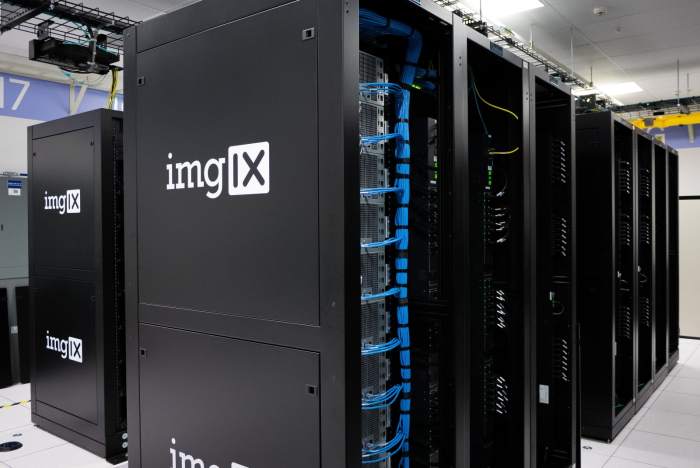
Traditional dedicated servers, characterized by their powerful hardware and high performance, often come at the cost of significant environmental impact. Their operation contributes to carbon emissions and places strain on natural resources.
The environmental consequences of dedicated servers are primarily attributed to their energy consumption and the associated greenhouse gas emissions. These servers require substantial amounts of electricity to power their components, including processors, memory, storage devices, and cooling systems. The energy demands of dedicated servers can be several times higher than those of personal computers or shared hosting environments.
Power Consumption and Carbon Emissions
The power consumption of a dedicated server is directly proportional to its workload and the efficiency of its components. High-performance servers with multiple processors and large amounts of memory consume significantly more electricity than low-end servers. Additionally, the cooling systems employed to prevent overheating further contribute to energy usage.
The carbon footprint of a dedicated server is determined by the amount of electricity it consumes and the carbon intensity of the electricity grid from which it draws power. In regions with a high reliance on fossil fuels for electricity generation, the carbon emissions associated with dedicated servers can be substantial.
E-waste and Material Impact
Dedicated servers have a relatively short lifespan, typically ranging from three to five years. When these servers are decommissioned, they become electronic waste (e-waste). E-waste contains hazardous materials that can leach into the environment if not properly disposed of. The recycling and disposal of e-waste pose significant challenges, and a large portion of it ends up in landfills or is exported to developing countries.
The production of dedicated servers also has an environmental impact, as it involves the extraction and processing of raw materials, such as metals, plastics, and rare earth elements. These processes can lead to air and water pollution, as well as the depletion of natural resources.
Green Energy Sources for Dedicated Servers
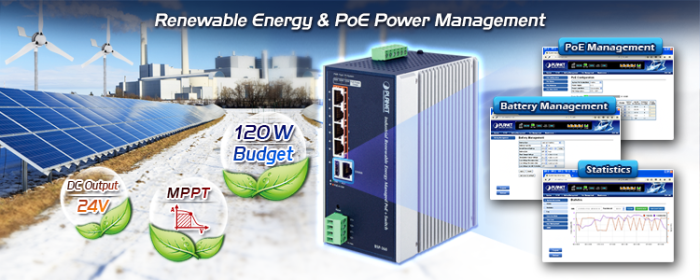
The increasing demand for dedicated servers has led to a growing emphasis on sustainable and environmentally friendly solutions. Utilizing renewable energy sources for dedicated servers offers a promising approach to reducing carbon footprint and promoting sustainable data center operations.
Solar Energy
Solar energy is a clean and abundant source of energy that can be harnessed to power dedicated servers. Photovoltaic (PV) systems convert sunlight directly into electricity, making them a viable option for data centers located in sunny regions. Advantages:
- Renewable and sustainable energy source.
- Reduces reliance on fossil fuels and lowers carbon emissions.
- Scalable and modular, allowing for easy expansion as needed.
Disadvantages:
- Intermittency and variability of solar power, requiring energy storage solutions.
- Higher initial investment costs compared to traditional energy sources.
Real-World Example:
- Google’s data center in Hamina, Finland, is powered by 100% renewable energy, including solar panels.
Wind Energy
Wind energy is another renewable energy source that can be used to power dedicated servers. Wind turbines convert the kinetic energy of wind into electricity. Advantages:
- Clean and sustainable energy source.
- Cost-effective over the long term.
- Wind power is becoming increasingly accessible and affordable.
Disadvantages:
- Intermittency and variability of wind power, requiring energy storage solutions.
- Wind turbines can be noisy and may have visual impacts.
Real-World Example:
- Amazon Web Services (AWS) data center in Scurry County, Texas, is powered by a combination of wind and solar energy.
Hydropower
Hydropower is a renewable energy source that utilizes the energy of flowing water to generate electricity. Hydroelectric dams or turbines convert the energy of moving water into electricity. Advantages:
- Reliable and predictable energy source.
- Cost-effective over the long term.
- Hydropower plants can also provide flood control and irrigation benefits.
Disadvantages:
- Hydropower projects can have significant environmental impacts, such as disrupting fish migration and altering ecosystems.
- Construction of hydroelectric dams can be expensive and time-consuming.
Real-World Example:
- Facebook’s data center in Prineville, Oregon, is powered by 100% renewable energy, including hydropower.
Best Practices for Green Dedicated Server Management
Embracing green energy practices for dedicated servers offers numerous environmental and financial benefits. Implementing effective management strategies can further enhance energy efficiency and minimize carbon footprint without compromising server performance.
Optimizing energy consumption and reducing carbon footprint while maintaining server performance requires careful planning and implementation of energy-efficient measures. This involves selecting energy-efficient hardware components, implementing energy-saving software solutions, and adopting responsible server management practices.
Hardware Selection
Choosing energy-efficient hardware components is a crucial step in green dedicated server management. Look for servers with high energy efficiency ratings, such as those certified by Energy Star or similar programs. Consider factors like power consumption, cooling requirements, and overall efficiency when selecting server components.
Energy-Saving Software Solutions
Implementing energy-saving software solutions can significantly reduce the energy consumption of dedicated servers. Utilize power management tools to optimize server power usage, enable sleep modes when not in use, and employ virtualization technologies to consolidate multiple servers onto a single physical machine.
Server Management Practices
- Regular Maintenance: Regularly update server software and firmware to ensure optimal performance and energy efficiency. Conduct regular system diagnostics to identify and address any inefficiencies or potential issues.
- Workload Optimization: Distribute workloads across multiple servers to avoid overloading any single machine. Utilize load balancing techniques to ensure efficient resource utilization and prevent overprovisioning.
- Cooling Efficiency: Implement efficient cooling solutions to maintain optimal server temperatures. Use energy-efficient cooling systems, such as air-side economizers or liquid cooling, to minimize energy consumption for cooling.
- Remote Management: Utilize remote management tools to monitor and control server operations remotely. This enables timely adjustments to server settings, power consumption, and cooling systems, reducing the need for physical visits to the server location.
Future of Green Dedicated Servers
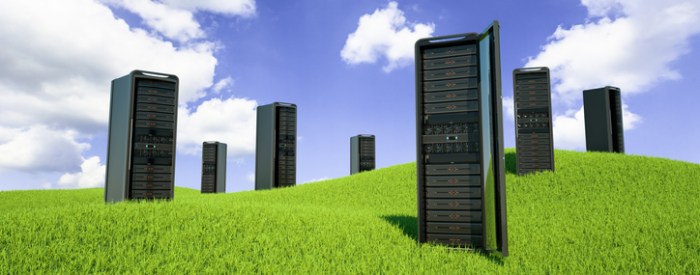
The future of green dedicated servers is promising, with emerging technologies and trends shaping the landscape of sustainable computing. Artificial intelligence (AI) and machine learning (ML) play a pivotal role in improving the energy efficiency of dedicated servers, optimizing resource allocation, and reducing power consumption.
These technologies analyze usage patterns, detect anomalies, and adjust server settings accordingly, resulting in significant energy savings.
AI and ML in Green Dedicated Servers
AI and ML algorithms continuously monitor server performance, identifying underutilized resources and adjusting power settings in real time. This dynamic optimization ensures that servers operate at optimal efficiency levels, reducing energy waste and lowering carbon emissions. Additionally, AI-driven predictive analytics can forecast future resource demands, enabling proactive measures to prevent overprovisioning and energy spikes.
Renewable Energy Integration
The integration of renewable energy sources, such as solar and wind power, into dedicated server facilities is gaining momentum. By harnessing clean and sustainable energy, data centers can significantly reduce their reliance on fossil fuels, minimizing their environmental impact. The adoption of renewable energy technologies aligns with the growing demand for environmentally responsible IT solutions.
Energy-Efficient Hardware Innovations
Advancements in hardware design and manufacturing are leading to more energy-efficient dedicated server components. These innovations include the use of low-power processors, solid-state drives (SSDs), and efficient cooling systems. Additionally, the adoption of modular and scalable server architectures allows for flexible resource allocation, enabling businesses to scale their IT infrastructure without compromising energy efficiency.
Green Data Center Design
The design of data centers is evolving to incorporate sustainable practices and technologies. Green data centers utilize innovative cooling techniques, such as free cooling and liquid immersion cooling, to reduce energy consumption. Additionally, the use of energy-efficient building materials and renewable energy sources further contributes to the overall sustainability of data centers.
Global Initiatives and Regulations
Governments and industry organizations worldwide are implementing initiatives and regulations to promote the adoption of green dedicated servers. These measures include energy efficiency standards, tax incentives for green data centers, and carbon emissions reduction targets. These initiatives encourage businesses to prioritize sustainability and adopt green computing practices.
Closure
The adoption of green dedicated servers represents a significant step towards a more sustainable digital infrastructure. By embracing renewable energy sources, businesses can minimize their environmental impact and contribute to a greener future. Moreover, the energy efficiency and cost-saving benefits of green dedicated servers make them an attractive choice for organizations seeking to optimize their IT operations and reduce their carbon footprint.
As technology continues to evolve, we can expect even more innovative and sustainable solutions to emerge, further propelling the green dedicated server market towards a cleaner and more sustainable digital future.