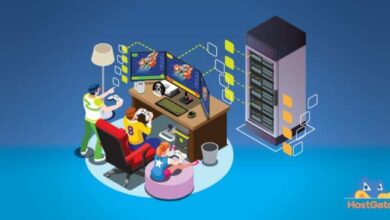
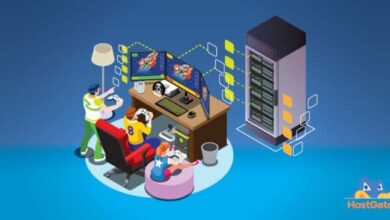
In the realm of web hosting, the quest for optimal performance and tailored solutions has led to the emergence of dedicated servers with flexible configuration. These powerful machines offer a paradigm shift from shared hosting, granting businesses and organizations exclusive access to resources and unparalleled control.
Embark on a journey to discover the transformative capabilities of dedicated servers, unlocking a world of customization, security, and scalability.

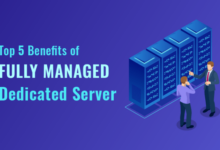

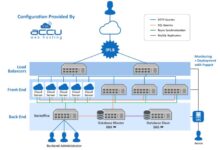

Dedicated servers stand as isolated computing environments, catering exclusively to a single entity. This segregation ensures superior performance, enhanced security, and the freedom to mold the server according to specific requirements. With a dedicated server, businesses can bid farewell to the constraints of shared hosting, where resources are shared among multiple users, often resulting in performance bottlenecks and security concerns.
Dedicated Server
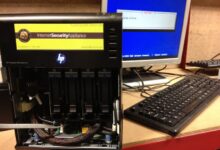
A dedicated server is a physical server dedicated to a single client, providing complete control and resources for their applications and services. Unlike shared hosting, where multiple clients share a single server, dedicated servers offer exclusive access to hardware, ensuring optimal performance, security, and customization.
Dedicated servers are ideal for businesses and organizations requiring high levels of performance, security, and control. Typical use cases include:
Applications with High Traffic
- E-commerce websites experiencing heavy traffic and requiring fast response times.
- Media-rich websites or platforms with extensive video or image content.
- Online gaming servers supporting large player bases and demanding real-time performance.
Sensitive Data and Security
- Businesses handling sensitive data requiring enhanced security measures.
- Organizations subject to regulatory compliance mandates, such as HIPAA or PCI DSS.
- Companies needing complete control over their server environment and security configurations.
Complex Applications and Customization
- Businesses running specialized software or applications requiring dedicated resources.
- Organizations requiring extensive customization of their server environment.
- Developers and IT professionals seeking a dedicated platform for testing, development, or research.
Choosing a reliable and reputable hosting provider is crucial when selecting a dedicated server. Factors to consider include:
Reliability and Uptime
- Look for providers with a proven track record of high uptime and minimal downtime.
- Ensure the provider has redundant infrastructure and backup systems in place.
Security Measures
- Verify the provider’s security measures, including firewalls, intrusion detection systems, and DDoS protection.
- Check for compliance with industry standards and certifications, such as ISO 27001 or PCI DSS.
Customer Support
- Choose a provider offering 24/7 customer support via multiple channels, such as phone, email, and live chat.
- Look for providers with a reputation for responsive and knowledgeable support.
Flexible Configuration
Flexible configuration in dedicated servers refers to the ability to customize the hardware components to meet specific requirements and scale resources as needed. This allows businesses to optimize performance, cost-effectiveness, and flexibility in their IT infrastructure.
Dedicated servers offer a wide range of configurable hardware components, including:
CPU
- Processing Power: Choose from various CPU options, such as Intel Xeon or AMD EPYC processors, to match the processing power required for specific applications and workloads.
- Core Count: Select the number of CPU cores to handle the expected workload, ensuring optimal performance for demanding applications.
- Clock Speed: Higher clock speeds can improve processing efficiency and reduce latency, catering to applications that require fast processing.
RAM
- Capacity: Customize the amount of RAM to meet memory requirements, ensuring smooth multitasking and handling of large datasets.
- Speed: Choose RAM with higher speeds, such as DDR4 or DDR5, to improve data transfer rates and overall system performance.
- Error Correction: Opt for RAM with error correction capabilities (ECC) to protect against data corruption, especially crucial for mission-critical applications.
Storage
- Type: Select storage options such as Hard Disk Drives (HDDs) for large capacity and cost-effectiveness, or Solid State Drives (SSDs) for faster read/write speeds and improved performance.
- Capacity: Choose the appropriate storage capacity to accommodate data needs, ensuring enough space for applications, databases, and other files.
- RAID Configuration: Implement RAID configurations, such as RAID 1 or RAID 5, to enhance data protection and improve storage performance.
Network Connectivity
- Network Speed: Opt for high-speed network connectivity, such as 10 Gigabit Ethernet (10GbE) or higher, to support fast data transfer rates and handle heavy network traffic.
- Network Ports: Choose the number of network ports required to connect to multiple networks or devices, ensuring sufficient connectivity for various applications.
- Network Security: Implement network security features, such as firewalls and intrusion detection systems, to protect against cyber threats and maintain data security.
The ability to scale resources up or down based on changing needs is a significant advantage of flexible configuration. This allows businesses to adjust their server’s hardware components as their requirements evolve, ensuring optimal performance and cost-effectiveness. For example, during peak periods or when running resource-intensive applications, businesses can scale up resources to handle the increased demand.
Conversely, when the load decreases, they can scale down resources to save costs and optimize resource utilization.
Customization and Control
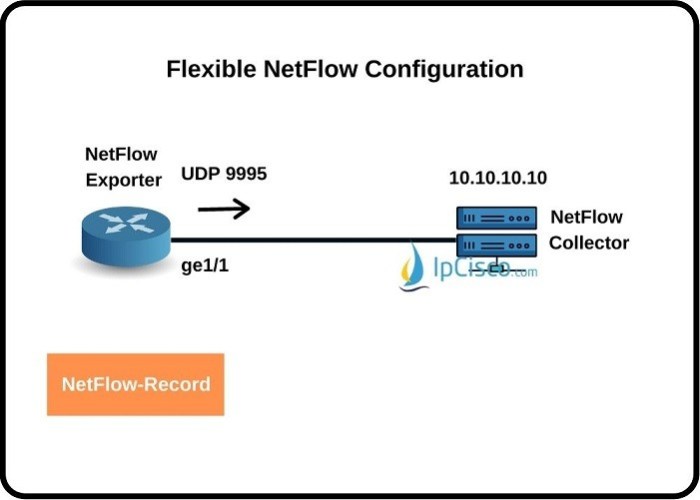
Dedicated servers offer a wide range of customization options, empowering businesses to tailor their server infrastructure to specific requirements. The level of control extends to hardware, software, and network configurations, providing unparalleled flexibility. This granular control allows businesses to optimize performance, enhance security, and seamlessly integrate the server into their existing IT ecosystem.
Hardware Customization
Dedicated servers provide the flexibility to select and configure hardware components based on specific needs. This includes choosing the number of processors, amount of RAM, storage capacity, and network interface cards. Businesses can opt for high-performance processors for demanding applications, ample RAM to handle large datasets, and robust storage solutions for data-intensive workloads.
Software Configuration
With a dedicated server, businesses have complete control over the operating system, applications, and software stack. They can install and configure the desired operating system, select and deploy specific software applications, and customize configurations to optimize performance and security. This level of control enables businesses to create a server environment that perfectly aligns with their unique requirements and applications.
Network Configuration
Dedicated servers offer granular control over network configurations, allowing businesses to optimize network performance and security. They can configure network settings such as IP addresses, subnet masks, and gateway addresses, as well as implement advanced networking features like load balancing, failover, and traffic shaping.
This level of control ensures that the server can seamlessly integrate into existing network infrastructure and meet specific networking requirements.
Security and Reliability
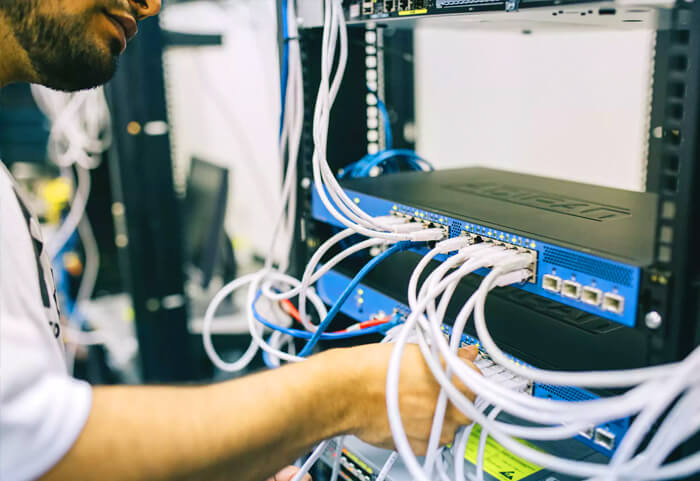
Dedicated servers offer enhanced security measures compared to shared hosting environments. With a dedicated server, you have complete control over the server’s configuration and security settings, allowing you to implement robust security measures tailored to your specific needs.
Security Features
Dedicated server providers often offer a range of security features to protect your data and applications, including:
- Firewall: A firewall acts as a barrier between your server and the internet, blocking unauthorized access and malicious traffic.
- Intrusion Detection System (IDS): An IDS monitors network traffic for suspicious activities and alerts you to potential security breaches.
- Anti-malware Software: Anti-malware software scans your server for malicious software and removes any detected threats.
- Secure Socket Layer (SSL) Certificates: SSL certificates encrypt data transmitted between your server and visitors’ browsers, ensuring secure communication.
- Regular Security Updates: Dedicated server providers typically apply regular security updates to keep your server protected against the latest threats.
Backups and Disaster Recovery
Regular backups are crucial for data protection and business continuity. A dedicated server allows you to create backups of your data and applications on a regular basis, ensuring that you have a recent copy of your data in case of a server failure or data loss.
Additionally, having a disaster recovery plan in place helps you respond effectively to unexpected events, minimizing downtime and data loss.
Cost Considerations
Dedicated servers come with a unique set of cost implications that businesses must carefully consider. Understanding the cost structure and comparing it with other hosting options is crucial for making informed decisions.The cost of a dedicated server typically includes several components:
- Hardware: The initial investment in hardware, including the server itself, storage devices, networking equipment, and any additional components, can be substantial.
- Software: The cost of operating system licenses, applications, and other necessary software can add up, especially for specialized or enterprise-level solutions.
- Maintenance: Ongoing maintenance and support costs, including hardware repairs, software updates, security patches, and troubleshooting, can be significant and require dedicated IT resources or managed services.
- Support: Access to technical support and customer service from the hosting provider can vary in terms of availability, responsiveness, and cost.
Comparing the cost of dedicated servers to other hosting options can provide valuable insights:
- Shared Hosting: Shared hosting, where multiple websites share a single server, is typically the most cost-effective option. However, it offers limited resources, customization, and control.
- VPS (Virtual Private Server): VPS hosting provides dedicated resources within a shared server environment, offering more control and flexibility than shared hosting at a higher cost.
- Cloud Hosting: Cloud hosting offers scalable and flexible resources that can be provisioned and released as needed. While cloud hosting can be cost-effective for fluctuating workloads, it may have higher upfront costs and ongoing usage fees.
Evaluating the cost-benefit ratio is crucial when choosing a dedicated server. Businesses should assess their specific needs, including resource requirements, security concerns, and the level of control and customization required. The cost of a dedicated server should align with the expected benefits, such as improved performance, enhanced security, and greater flexibility.
Choosing the Right Dedicated Server
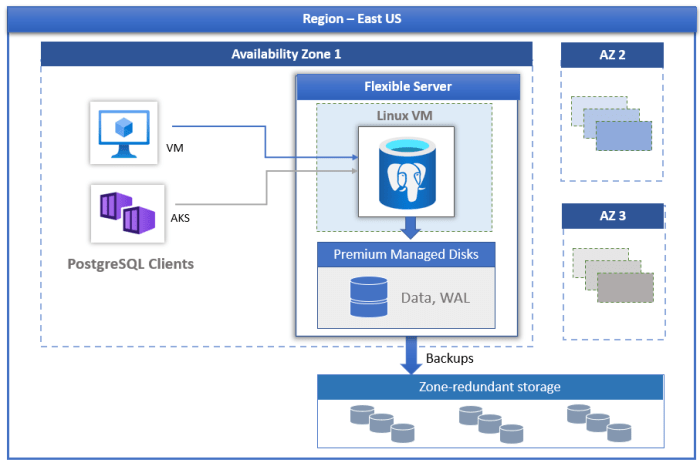
Selecting the ideal dedicated server is crucial for businesses and organizations seeking superior performance, customization, and control over their IT infrastructure. Consider various factors to ensure the server aligns with your specific needs and requirements.
Hardware Specifications
Evaluate the server’s hardware components, including the processor (CPU), memory (RAM), storage capacity, and network interface cards (NICs). Consider the following aspects:
- Processor: Choose a CPU with sufficient cores and processing power to handle your workload efficiently. Consider the number of cores, clock speed, and generation of the processor.
- Memory: Determine the amount of RAM required to support your applications and operating system. Ensure you have enough memory to avoid performance bottlenecks.
- Storage: Select storage devices based on capacity, speed, and reliability. Consider using solid-state drives (SSDs) for faster data access and improved performance.
- Network Interface Cards (NICs): Choose NICs that support the desired network speeds and provide sufficient bandwidth for your applications and data transfer requirements.
Network Connectivity
Assess the network connectivity options available with the dedicated server. Consider the following:
- Network Speed: Ensure the server has a network connection that meets your bandwidth requirements. Consider upgrading to higher-speed connections if necessary.
- Network Redundancy: Opt for a server with redundant network connections to ensure uninterrupted connectivity in case of a network failure.
- Network Security: Evaluate the security features provided by the server’s network connection, such as firewalls, intrusion detection systems (IDS), and virtual private networks (VPNs).
Security Features
Consider the security features offered by the dedicated server to protect your data and applications. Evaluate the following:
- Physical Security: Ensure the server is housed in a secure data center with restricted access and surveillance systems.
- Data Encryption: Look for servers that support data encryption at rest and in transit to protect sensitive information.
- Security Updates: Choose a server provider that regularly applies security updates and patches to keep the server protected from vulnerabilities.
- Firewall and Intrusion Detection: Evaluate the server’s firewall and intrusion detection capabilities to protect against unauthorized access and malicious attacks.
Support Options
Consider the level of support provided by the dedicated server provider. Evaluate the following:
- 24/7 Support: Choose a provider that offers 24/7 technical support to ensure prompt assistance in case of any issues.
- Remote Management: Look for providers that offer remote management services, allowing you to access and manage your server remotely.
- Documentation and Resources: Assess the availability of documentation, tutorials, and other resources provided by the server provider to help you manage and troubleshoot your server.
Closure
As you navigate the vast landscape of web hosting options, remember that a dedicated server with flexible configuration emerges as the ultimate choice for businesses seeking unparalleled performance, unwavering security, and limitless customization. Embrace the power of a dedicated server, tailor-made to align with your unique aspirations and requirements.
Seize the opportunity to elevate your online presence, optimize your business operations, and unlock a new era of digital success.