Unlocking the Potential of Affordable Dedicated Servers: A Comprehensive Guide for Businesses and Individuals

In the ever-evolving digital landscape, businesses and individuals alike are seeking reliable and cost-effective solutions to manage their online presence and applications. Enter the realm of dedicated servers—a powerful tool that offers unparalleled control, security, and flexibility. In this comprehensive guide, we delve into the world of affordable dedicated servers, exploring their advantages, key considerations, and strategies for optimizing their performance and value.
With dedicated servers, you gain exclusive access to a physical server, ensuring complete control over your hardware, software, and security measures. This autonomy empowers you to tailor your server to specific requirements, optimize performance, and enhance security, making it an ideal choice for businesses handling sensitive data or experiencing high traffic volumes.


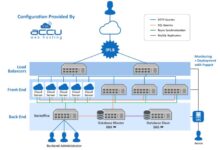

Affordable Dedicated Server
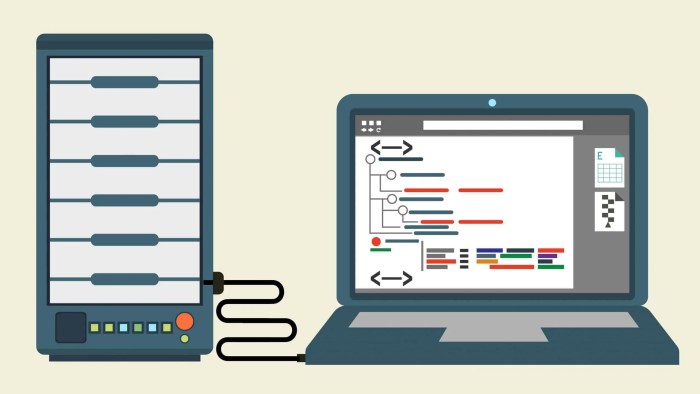
A dedicated server is a physical server dedicated solely to a single client. Unlike a shared server, where multiple users share the same server, a dedicated server offers exclusive access and control to the client, ensuring greater security, performance, and reliability.
For businesses and individuals requiring high levels of security, performance, and customization, a dedicated server offers several advantages:
Benefits of a Dedicated Server:
- Enhanced Security: A dedicated server provides enhanced security as it is not shared with other users, minimizing the risk of data breaches or unauthorized access.
- Improved Performance: With a dedicated server, businesses can experience improved performance as the server’s resources are dedicated solely to their applications and tasks, resulting in faster load times and smoother operations.
- Customization and Flexibility: Dedicated servers offer greater customization and flexibility, allowing businesses to configure the server hardware, software, and security measures according to their specific requirements.
- Scalability: As a business grows, a dedicated server can be easily upgraded to accommodate increased resource demands, ensuring scalability and uninterrupted operations.
- Cost-Effectiveness: Contrary to the misconception that dedicated servers are only suitable for large enterprises, dedicated servers can be affordable options for businesses and individuals seeking high-performance computing at a competitive price.
Factors Contributing to the Affordability of a Dedicated Server:
Several factors contribute to the affordability of a dedicated server:
- Server Configuration: The hardware configuration of the dedicated server, including the number of CPUs, amount of RAM, and storage space, can significantly impact its cost. Choosing a configuration that aligns with the specific requirements of the business or individual can help control costs.
- Data Center Location: The location of the data center housing the dedicated server can influence its cost. Data centers in remote areas or developing countries may offer lower operating costs, resulting in lower rental fees for dedicated servers.
- Service Provider: The choice of service provider can also impact the affordability of a dedicated server. Providers with a reputation for offering competitive pricing, value-added services, and customer-friendly policies may be more cost-effective than providers solely focused on profit margins.
- Rental Period: The rental period for the dedicated server can impact its affordability. Long-term rental periods, typically exceeding 12 months, may attract discounts or special offers from the service provider, resulting in lower monthly or annual costs.
Cost-Effective Solutions
Cost-effective dedicated server solutions can be achieved by understanding the factors that influence their pricing, making informed choices based on specific requirements, and implementing strategies to optimize performance and efficiency.
Considering the key elements that determine the cost of a dedicated server, such as hardware specifications, operating system, data center location, and additional services, can help in making informed decisions. Additionally, evaluating the total cost of ownership, including setup, maintenance, and ongoing support, is essential for long-term affordability.
Choosing a Budget-Friendly Dedicated Server
Choosing a dedicated server that meets specific budget constraints involves careful consideration of hardware requirements, including CPU, RAM, storage capacity, and network connectivity. Selecting an appropriate operating system and choosing a data center location that offers competitive pricing can also help in saving costs.
Considering dedicated server providers that offer flexible payment options, such as pay-as-you-go or monthly billing, can provide more control over expenses. Additionally, opting for managed services or colocation options can help reduce the burden of server maintenance and administration, potentially leading to cost savings.
Optimizing Dedicated Server Performance and Efficiency
Optimizing the performance and efficiency of a dedicated server can maximize its value and ensure optimal resource utilization. Implementing best practices for server management, such as regular updates, monitoring, and proactive maintenance, can help prevent issues and maintain peak performance.
Utilizing virtualization technologies, such as containers or virtual machines, can help in consolidating multiple applications and services on a single server, leading to improved resource utilization and cost savings. Additionally, implementing load balancing techniques can distribute traffic across multiple servers, ensuring optimal performance and scalability.
Hardware Considerations
Dedicated servers offer complete control over the hardware configuration, enabling customization to suit specific requirements. Understanding the different hardware components and their impact on performance and cost is crucial for making informed decisions.
Types of Hardware Components
Dedicated servers consist of several key hardware components, including:
- Processors: The brain of the server, responsible for executing instructions and performing calculations.
- Memory (RAM): Temporary storage used by the processor to store data and instructions during processing.
- Storage (HDD/SSD): Permanent storage used to store data, including the operating system, applications, and user files.
- Network Interface Card (NIC): Connects the server to the network, enabling communication with other devices.
- Power Supply Unit (PSU): Provides power to all the server components.
Impact of Hardware Specifications
The specifications of each hardware component directly influence the performance and cost of a dedicated server:
- Processors: More cores and higher clock speeds result in faster processing, but increase the cost.
- Memory (RAM): More RAM allows for smoother multitasking and handling of larger datasets, but also increases the cost.
- Storage (HDD/SSD): SSDs offer faster read/write speeds compared to HDDs, but are more expensive.
- Network Interface Card (NIC): Higher bandwidth NICs enable faster data transfer speeds, but can be more costly.
- Power Supply Unit (PSU): A reliable PSU ensures stable power delivery, but higher wattage PSUs are more expensive.
Selecting the Right Hardware Configuration
Choosing the right hardware configuration depends on the specific applications and workloads:
- Web Hosting: Requires a balanced configuration with adequate processing power, memory, and storage to handle website traffic.
- Database Servers: Need powerful processors, ample memory, and fast storage to manage large databases.
- Virtualization: Requires high-performance processors, substantial memory, and storage to run multiple virtual machines.
- Gaming Servers: Demand powerful processors, low-latency memory, and fast storage for smooth gaming experiences.
Software and Operating Systems
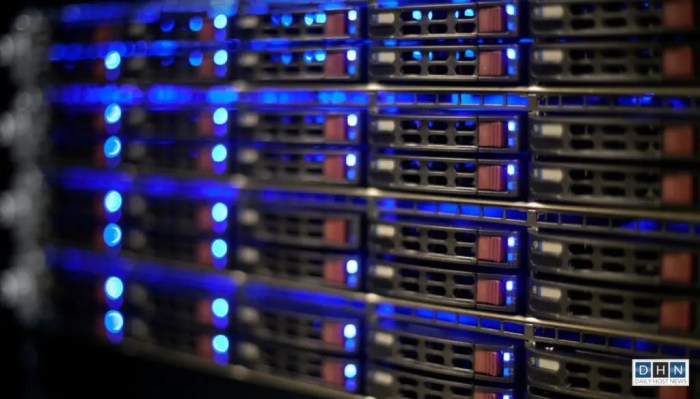
Choosing the right software and operating system for your dedicated server is crucial to ensure optimal performance and efficiency. There are various types of software and operating systems available, each with its advantages and disadvantages.
Types of Software and Operating Systems
Dedicated servers can run a wide range of software and operating systems, including:
- Linux Distributions: Popular choices include Ubuntu, CentOS, Debian, and Red Hat Enterprise Linux (RHEL). Linux distributions are known for their stability, security, and open-source nature.
- Windows Server: Microsoft’s Windows Server operating system is widely used for its user-friendly interface, compatibility with Windows applications, and robust security features.
- Virtualization Software: Virtualization software, such as VMware vSphere and Citrix XenServer, allows you to create multiple virtual machines on a single physical server, maximizing resource utilization and flexibility.
- Web Server Software: Web server software, such as Apache HTTP Server and Nginx, is used to host websites and deliver content to users over the internet.
- Database Management Systems: Database management systems, such as MySQL, PostgreSQL, and Microsoft SQL Server, are used to store, manage, and retrieve data efficiently.
Advantages and Disadvantages
The choice of software and operating system depends on several factors, including:
- Purpose of the Server: Consider the specific applications and workloads you plan to run on the server. Some software and operating systems are better suited for certain tasks than others.
- Hardware Compatibility: Ensure that the software and operating system you choose are compatible with the hardware components of your dedicated server.
- Security and Stability: Prioritize software and operating systems with strong security features and a history of stability and reliability.
- Cost: Some software and operating systems are free and open-source, while others require a license fee. Factor in the cost when making your decision.
- User Interface and Ease of Use: Consider the user interface and ease of use of the software and operating system. Choose options that align with your technical expertise and user preferences.
Recommendations
When selecting software and operating systems for your dedicated server, consider the following recommendations:
- For General-Purpose Servers: Linux distributions like Ubuntu or CentOS are popular choices due to their stability, security, and wide range of available software packages.
- For Windows-Based Applications: Windows Server is the best option if you plan to run Windows-specific applications or require Active Directory integration.
- For Virtualization: VMware vSphere and Citrix XenServer are widely used virtualization platforms that offer robust features and scalability.
- For Web Hosting: Apache HTTP Server and Nginx are popular web server software known for their performance and reliability.
- For Database Management: MySQL, PostgreSQL, and Microsoft SQL Server are widely used database management systems that offer different features and performance characteristics.
Security and Reliability
Securing your dedicated server and ensuring its reliability are essential for maintaining data integrity, uptime, and customer trust. Let’s explore the measures to ensure your dedicated server’s security and reliability.
Security Measures:
- Firewall Configuration: Implement a robust firewall to monitor and filter incoming and outgoing traffic, blocking unauthorized access.
- Intrusion Detection Systems (IDS): Deploy IDS to detect and alert about suspicious activities or potential security breaches.
- Anti-Malware Software: Install and regularly update anti-malware software to protect against viruses, spyware, and other malicious threats.
- Regular Security Audits: Conduct regular security audits to identify vulnerabilities and take proactive steps to mitigate risks.
- Strong Passwords and Encryption: Use strong passwords and implement encryption protocols to protect sensitive data.
Ensuring Reliability:
- Redundant Components: Employ redundant components like power supplies, hard drives, and network connections for backup in case of failures.
- Regular Backups: Implement a comprehensive backup strategy to create regular backups of your data, ensuring easy restoration in case of data loss.
- Load Balancing: Distribute traffic across multiple servers to prevent overloading and ensure optimal performance.
- Proactive Monitoring: Continuously monitor server performance, uptime, and resource utilization to identify potential issues and address them promptly.
- Planned Maintenance: Schedule regular maintenance to update software, apply security patches, and perform hardware checks.
Customer Support and Technical Assistance
Reliable customer support and technical assistance are vital when selecting a dedicated server provider. They ensure your server runs smoothly, addressing any issues or queries promptly and effectively.Customer support is the backbone of any dedicated server provider, offering assistance with server setup, configuration, and troubleshooting.
Dedicated server providers typically provide 24/7 customer support via phone, email, and live chat, ensuring prompt assistance whenever needed.
Types of Customer Support and Technical Assistance
Dedicated server providers offer a range of customer support and technical assistance options, including:
- 24/7 Phone Support: Immediate assistance over the phone, resolving urgent issues promptly.
- Email Support: Detailed explanations and solutions to complex queries via email, allowing for thorough troubleshooting.
- Live Chat Support: Real-time assistance through chat, providing quick resolutions to common issues.
- Remote Server Management: Providers may offer remote server management services, monitoring and maintaining your server proactively.
- Online Documentation and Tutorials: Comprehensive documentation and tutorials empower users to manage their servers independently.
Evaluating the Quality of Customer Support
To assess the quality of customer support and technical assistance offered by dedicated server providers, consider the following factors:
- Response Time: Evaluate how quickly customer support responds to inquiries, both during regular hours and after hours.
- Knowledge and Expertise: Assess the technical expertise and knowledge of the support team in resolving complex server-related issues.
- Problem Resolution: Determine if the support team provides effective solutions to resolve issues promptly and efficiently.
- Proactive Support: Check if the provider offers proactive monitoring and maintenance services to prevent potential issues.
- Customer Satisfaction: Read customer reviews and testimonials to gauge the overall satisfaction level with the provider’s support services.
Scalability and Flexibility
Flexibility and scalability are paramount when choosing a dedicated server. A scalable dedicated server allows businesses to adapt to changing needs, whether it’s handling increased traffic, expanding into new markets, or incorporating new applications. Scalability ensures the server can grow with the business, eliminating the need for frequent upgrades or server replacements.
Choosing a Scalable Dedicated Server
Consider these factors when selecting a scalable dedicated server:
- Processor and RAM: Opt for a server with a powerful processor and ample RAM to handle current and future workloads. Consider upgrade options to accommodate future growth.
- Storage Capacity: Choose a server with sufficient storage capacity to meet current needs and allow for future expansion. Consider servers with flexible storage options, such as RAID configurations, to optimize performance and data protection.
- Network Connectivity: Ensure the server has a reliable and high-speed network connection to support increased traffic and data transfer requirements. Consider servers with multiple network ports for redundancy and load balancing.
- Server Management: Choose a server with remote management capabilities, allowing administrators to monitor and manage the server remotely. This simplifies server maintenance and troubleshooting, reducing downtime.
- Scalability Options: Look for servers that offer flexible scalability options, such as the ability to add additional processors, RAM, or storage as needed. This allows businesses to scale the server vertically or horizontally to meet changing demands.
Environmental Considerations

Using a dedicated server has environmental implications due to its energy consumption and carbon footprint. However, there are ways to make a dedicated server more energy-efficient and environmentally friendly.
Energy Efficiency
- Choosing energy-efficient components, such as processors, memory, and storage, can reduce power consumption.
- Utilizing power management features like virtualization and sleep modes can further optimize energy usage.
- Implementing energy-saving software and monitoring tools can help track and manage power consumption.
Renewable Energy Sources
- Opting for a dedicated server provider that utilizes renewable energy sources, such as wind or solar power, can reduce the server’s carbon footprint.
- Encouraging the use of renewable energy sources in data centers can contribute to a greener and more sustainable IT infrastructure.
Recycling and Disposal
- Properly recycling or disposing of old or decommissioned dedicated servers and their components is essential to minimize electronic waste and its environmental impact.
- Working with certified recycling companies ensures that server components are recycled responsibly and in compliance with environmental regulations.
Final Thoughts
As you embark on your journey to select an affordable dedicated server, remember that it’s a delicate balance between cost, performance, and reliability. By carefully evaluating your needs, considering hardware specifications, software compatibility, and security features, you can make an informed decision that aligns with your budget and aspirations.
With a dedicated server, you gain the power to unlock new possibilities, drive innovation, and elevate your online presence to unprecedented heights.