Unleash Unmatched Performance: A Comprehensive Guide to Dedicated Servers with High Performance

In today’s fast-paced digital world, businesses and organizations rely on reliable and high-performance computing infrastructure to thrive. Dedicated servers with high performance emerge as a powerful solution, offering unparalleled control, scalability, and security. Dive into this comprehensive guide as we explore the world of dedicated servers, uncovering their advantages, features, applications, and the key considerations for choosing the right provider.
Dedicated servers stand as isolated computing environments, providing exclusive access to hardware resources, guaranteeing superior performance, security, and customization. Unlike shared hosting, where multiple users share a single server, dedicated servers allocate all resources solely to one client, ensuring optimal uptime, speed, and reliability.


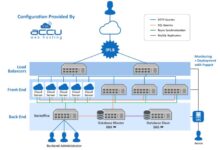

Dedicated Server Overview
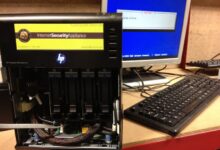
Dedicated servers are specialized computers solely dedicated to running your applications and websites. Unlike shared hosting, where multiple users share a single server, dedicated servers provide exclusive access to hardware resources, offering superior performance, security, and control.
With dedicated servers, you have complete autonomy over the server’s configuration, software, and security measures. This allows you to tailor the server to your specific requirements, ensuring optimal performance and meeting the demands of resource-intensive applications or high-traffic websites.
Advantages of Dedicated Servers over Shared Hosting
- Dedicated Resources: Dedicated servers provide exclusive access to all server resources, including CPU, RAM, storage, and bandwidth, eliminating the resource contention and performance issues common in shared hosting.
- Enhanced Security: With dedicated servers, you have full control over security measures, enabling you to implement robust security protocols and minimize the risk of unauthorized access or data breaches.
- Customization and Flexibility: Dedicated servers allow for complete customization of the server’s software, operating system, and applications, providing the flexibility to tailor the server to your specific needs and requirements.
- Scalability and Uptime: Dedicated servers offer the scalability to handle growing traffic or resource demands by easily upgrading hardware components. Additionally, dedicated servers typically provide higher uptime and reliability due to the absence of resource contention and potential issues arising from other users on shared servers.
Comparison of Dedicated Servers and Shared Hosting
| Feature | Dedicated Server | Shared Hosting |
|---|---|---|
| Resources | Exclusive access to all server resources | Shared resources among multiple users |
| Security | Full control over security measures | Limited security options due to shared environment |
| Customization | Complete customization of software, OS, and applications | Limited customization options due to shared environment |
| Scalability | Easily scalable to handle growing traffic or resource demands | Limited scalability due to shared resources |
| Uptime and Reliability | Higher uptime and reliability due to dedicated resources | Lower uptime and reliability due to shared resources and potential issues from other users |
High-Performance Features
Dedicated servers offer unparalleled performance capabilities, meeting the demands of even the most resource-intensive applications and workloads. This section delves into the critical hardware components that contribute to the exceptional performance of dedicated servers, exploring the benefits of solid-state drives (SSDs) in enhancing speed and reliability.
Critical Hardware Components
The performance of a dedicated server is largely determined by its hardware components. These components work in unison to deliver the processing power, memory capacity, and storage capabilities required for demanding applications.
- Processors: The brain of the server, processors handle complex calculations and instructions. High-performance dedicated servers utilize powerful processors with multiple cores and high clock speeds, enabling faster processing of data and improved overall performance.
- RAM (Random Access Memory): RAM serves as the server’s short-term memory, storing data and instructions that are actively being processed. Ample RAM capacity ensures smooth multitasking, faster loading of applications, and reduced latency, resulting in a more responsive and efficient server.
- Storage: Dedicated servers typically employ high-performance storage solutions to meet the demanding I/O requirements of modern applications. Hard disk drives (HDDs) provide ample storage capacity, while solid-state drives (SSDs) offer significantly faster data access speeds.
Solid-State Drives (SSDs) for Enhanced Performance
Solid-state drives (SSDs) have revolutionized storage technology, offering remarkable performance gains compared to traditional hard disk drives (HDDs). SSDs utilize flash memory to store data, eliminating the mechanical components found in HDDs, resulting in several key advantages:
- Faster Data Access: SSDs can access data significantly faster than HDDs, reducing load times, improving application responsiveness, and accelerating data-intensive processes.
- Improved Reliability: SSDs have no moving parts, making them less prone to mechanical failures and data loss compared to HDDs, ensuring better data integrity and reliability.
- Lower Latency: SSDs exhibit significantly lower latency than HDDs, minimizing delays in data retrieval and improving overall system performance.
- Increased Durability: SSDs can withstand shock, vibration, and extreme temperatures better than HDDs, making them ideal for mission-critical applications and harsh environments.
Scalability and Flexibility

Dedicated servers provide unmatched scalability and flexibility to meet evolving business needs. With dedicated servers, you have the freedom to upgrade hardware components, such as CPU, RAM, storage, and network connectivity, as your business grows and IT requirements change. This modular approach allows you to scale your server resources seamlessly without having to replace the entire server.
Upgrading Hardware Components
Dedicated servers offer the ability to upgrade individual hardware components as needed, providing a cost-effective and efficient way to enhance server performance. For instance, if your business experiences a surge in website traffic, you can upgrade the RAM or CPU to handle the increased demand.
Similarly, if you need more storage space, you can add additional hard drives or upgrade to a higher-capacity storage system.
Adding Additional Resources
Dedicated servers allow you to add additional resources, such as network cards, graphics cards, or specialized hardware accelerators, to meet specific application requirements. This flexibility enables you to customize your server to suit your unique business needs and applications. For example, if you run data-intensive applications, you can add a graphics card to accelerate processing speeds.
Examples of Scalability and Flexibility in Action
- A growing e-commerce business can easily scale its dedicated server to accommodate increasing customer traffic and transaction volumes by upgrading the server’s RAM, CPU, and storage capacity.
- A software development company can add additional graphics cards to its dedicated server to accelerate the rendering of complex 3D models and simulations.
- A media production company can install specialized video editing hardware on its dedicated server to enhance video processing and editing capabilities.
Security and Control
Dedicated servers provide enhanced security measures to safeguard your data and applications.
A dedicated IP address ensures that your server is not sharing an IP address with other websites, reducing the risk of malicious activity or security breaches. Furthermore, root access grants you complete control over the server’s operating system and software, allowing you to customize security settings and implement additional security measures.
Regular Security Updates and Maintenance
Keeping your dedicated server up-to-date with the latest security patches and updates is crucial for maintaining its security. Regular maintenance and monitoring of the server’s security logs and activity are essential to identify and address any potential vulnerabilities or threats promptly.
Applications and Use Cases
Dedicated servers cater to a wide range of applications and use cases, offering unparalleled performance, flexibility, and security. From e-commerce websites handling high volumes of traffic to data-intensive applications requiring rapid processing, dedicated servers provide the ideal infrastructure to meet demanding requirements.
E-commerce Websites
E-commerce websites rely on dedicated servers to ensure seamless and uninterrupted online shopping experiences for customers. The ability to handle sudden surges in traffic, manage large product catalogs, and provide secure payment gateways is crucial for the success of any e-commerce business.
Dedicated servers deliver the necessary resources and scalability to support these demanding operations, resulting in improved website performance, faster loading times, and enhanced customer satisfaction.
Gaming Servers
For online gaming enthusiasts, dedicated servers are the ultimate choice for creating immersive and lag-free gaming experiences. By providing dedicated resources and powerful hardware, gaming servers enable players to enjoy smooth gameplay, fast response times, and uninterrupted sessions. Dedicated servers also allow for the customization and modding of games, creating unique and engaging experiences that attract and retain players.
Data-Intensive Applications
Businesses dealing with large volumes of data require dedicated servers to manage and process information efficiently. From data analytics and artificial intelligence to scientific research and simulations, dedicated servers provide the necessary computational power and storage capacity to handle complex tasks and deliver timely results.
By utilizing dedicated servers, organizations can accelerate their data processing, gain valuable insights, and make informed decisions based on real-time information.
Cost Considerations
Understanding the pricing structure of dedicated servers is crucial when making informed decisions about your hosting needs. Monthly fees, setup costs, and additional charges for bandwidth and storage are the primary factors that determine the overall cost of a dedicated server.
Dedicated servers typically involve a monthly fee that covers the cost of the physical server, its maintenance, and network connectivity. Setup costs may also be applicable, especially if you require specialized configurations or software installations.
Comparison with Other Hosting Options
When comparing the cost of dedicated servers with other hosting options, it’s essential to consider the level of control, performance, and security required for your project or business.
- Shared hosting is the most affordable option, where multiple websites share the same server. However, this can result in limited resources and potential performance issues during high-traffic periods.
- Cloud hosting offers scalability and flexibility, allowing you to adjust resources as needed. While cloud hosting can be cost-effective for small projects, it may become expensive for resource-intensive applications.
Choosing the Right Provider
Selecting the right dedicated server provider is crucial for ensuring optimal performance, reliability, and support. Consider these key factors when making your choice:
Reliability
- Uptime guarantee: Look for providers that offer a high uptime guarantee, typically 99.9% or higher, to ensure minimal downtime.
- Redundant infrastructure: Assess the provider’s infrastructure to ensure they have redundant power supplies, network connections, and backup systems in place for maximum uptime.
- Customer testimonials: Read reviews and testimonials from existing customers to gauge the provider’s reliability and service quality.
Customer Support
- 24/7 availability: Ensure the provider offers 24/7 technical support via phone, email, or live chat to address any issues promptly.
- Technical expertise: Evaluate the provider’s technical expertise and experience in managing dedicated servers to ensure they can effectively resolve any problems that may arise.
- Response time: Consider the provider’s average response time to support requests to assess their responsiveness and efficiency in resolving issues.
Available Features
- Hardware options: Consider the range of hardware options offered by the provider, including processor types, RAM capacities, storage configurations, and network speeds, to ensure they align with your specific requirements.
- Software options: Evaluate the provider’s software offerings, such as operating systems, control panels, and pre-installed applications, to determine if they meet your needs and preferences.
- Scalability: Assess the provider’s scalability options to ensure you can easily upgrade or downgrade your server resources as your business needs change.
Tips for Evaluating Providers
- Request a free trial: Many providers offer free trials or demos that allow you to test their services and evaluate their performance and reliability before committing to a long-term contract.
- Compare pricing and plans: Compare the pricing and plans offered by different providers to find one that fits your budget and requirements. Consider both the upfront costs and ongoing fees.
- Read reviews and testimonials: Read online reviews and testimonials from existing customers to gain insights into the provider’s reliability, customer support, and overall service quality.
Management and Maintenance
Effective server management and maintenance are crucial for ensuring optimal performance, security, and longevity of your dedicated server. Regular maintenance tasks help prevent issues, improve efficiency, and protect against potential threats.
Common Server Management Tasks
- Software Updates: Regularly updating the operating system, applications, and firmware ensures you have the latest security patches, bug fixes, and performance improvements.
- Security Patches: Applying security patches promptly is essential to protect against vulnerabilities that could be exploited by attackers.
- Performance Monitoring: Continuously monitoring server performance metrics, such as CPU utilization, memory usage, and disk space, helps identify potential bottlenecks and performance issues early on.
- Backup and Recovery: Regularly backing up server data and configurations is critical for disaster recovery and minimizing data loss in case of hardware failures or security breaches.
- Log Monitoring: Monitoring server logs can provide valuable insights into system activity, security events, and potential issues.
- Hardware Maintenance: Regular maintenance of hardware components, such as fans, power supplies, and storage devices, helps prevent failures and extends the server’s lifespan.
Benefits of Proper Management and Maintenance
- Improved Performance: Regular maintenance ensures your server operates at peak performance, minimizing downtime and maximizing productivity.
- Enhanced Security: Applying security patches and monitoring logs helps protect against vulnerabilities and potential attacks.
- Reduced Downtime: Proactive maintenance helps identify and resolve issues before they cause significant downtime.
- Extended Server Lifespan: Proper maintenance extends the lifespan of your server hardware, saving you money in the long run.
Last Word
Dedicated servers with high performance stand as the ultimate choice for businesses and organizations seeking absolute control, security, and scalability. With the ability to handle demanding workloads, host mission-critical applications, and ensure data privacy, dedicated servers empower businesses to achieve their full potential in the digital realm.
By selecting a reputable provider and implementing proper management practices, organizations can harness the true power of dedicated servers, driving innovation and success in the modern digital landscape.