Experience Uninterrupted Performance: Dedicated Servers with 24/7 Support for Unmatched Reliability

In the ever-evolving digital landscape, businesses rely on robust and reliable infrastructure to maintain a competitive edge. Enter dedicated servers with 24/7 support – the epitome of performance, security, and control. These servers are exclusively yours, providing unparalleled resources, flexibility, and the peace of mind that comes with round-the-clock expert assistance.
Dedicated servers are the ultimate solution for businesses demanding peak performance, enhanced security, and unwavering support. Dive into the world of dedicated servers with 24/7 support, and unlock the gateway to seamless operations, exceptional customer experiences, and unwavering growth.


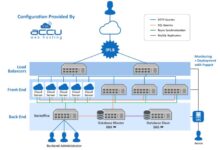

Dedicated Server Overview
In the vast realm of web hosting, a dedicated server stands as an epitome of power and exclusivity. Unlike shared hosting, where multiple websites coexist on a single server, a dedicated server is like a private fortress, catering solely to the needs of a single entity.
This architectural distinction unlocks a world of benefits, making dedicated servers the preferred choice for businesses seeking uncompromised performance, security, and control.
Advantages of Using a Dedicated Server
- Complete Control: With a dedicated server, you are the sole master of your digital domain. You have full administrative privileges, allowing you to configure and manage every aspect of the server, from software installation to security measures.
- Enhanced Performance: A dedicated server is like a dedicated highway, free from the traffic congestion of shared hosting. You have all the resources at your disposal, ensuring lightning-fast website loading speeds and seamless application performance.
- Improved Security: In the realm of cybersecurity, a dedicated server is your impenetrable fortress. You can implement customized security measures, minimizing the risk of unauthorized access and data breaches.
- Scalability and Flexibility: As your business expands and your digital needs evolve, a dedicated server can adapt seamlessly. You can easily scale up or down the server’s resources, ensuring it remains aligned with your changing requirements.
Businesses That Can Benefit from Dedicated Servers
The allure of dedicated servers extends to a wide spectrum of businesses, including:
- E-commerce Websites: For online stores that rely on fast and reliable website performance to convert visitors into customers, a dedicated server is a game-changer.
- High-Traffic Websites: Websites that attract a massive influx of visitors, such as news portals or popular blogs, require the robust infrastructure of a dedicated server to handle the surge in traffic.
- Data-Intensive Applications: Businesses that rely on complex data analysis, scientific simulations, or resource-intensive software applications find dedicated servers to be an indispensable asset.
- Businesses with Compliance Requirements: For organizations subject to stringent data protection regulations, the enhanced security and control offered by a dedicated server can help ensure compliance.
24/7 Support

With dedicated servers, 24/7 support is paramount to ensure seamless operations, immediate troubleshooting, and swift resolution of technical issues. Dedicated server providers offer comprehensive support services to assist clients with server configuration, software installation, security updates, and maintenance tasks. Choosing a provider with reliable support is crucial to minimize downtime and maximize server uptime.
Types of Support Services
Dedicated server providers typically offer various support services to cater to diverse customer needs. Common support channels include:
- Phone Support: Direct access to support engineers via phone calls for immediate assistance and troubleshooting.
- Email Support: Submitting support requests through email for non-urgent issues and receiving detailed responses from support teams.
- Live Chat Support: Engaging in real-time conversations with support representatives through live chat for quick resolutions.
- Remote Desktop Support: Allowing support engineers to remotely access the dedicated server for direct troubleshooting and issue resolution.
- Ticket-Based Support: Creating support tickets to track and manage issues, ensuring timely responses and updates from the support team.
Choosing a Provider with Reliable Support
Selecting a dedicated server provider with reliable support requires careful consideration of several factors:
- Support Availability: Ensure the provider offers 24/7 support coverage to address issues promptly, regardless of the time or day.
- Response Time: Evaluate the provider’s average response time for support requests to assess their responsiveness and efficiency in resolving issues.
- Support Channels: Consider the availability of multiple support channels, such as phone, email, live chat, and remote desktop support, to accommodate different communication preferences.
- Technical Expertise: Assess the provider’s technical expertise and experience in managing dedicated servers to ensure they possess the necessary knowledge to resolve complex issues effectively.
- Customer Reviews: Read customer reviews and testimonials to gain insights into the quality of support provided by the provider and the satisfaction levels of existing customers.
Hardware and Software Considerations
When choosing a dedicated server, it’s crucial to consider both hardware and software components to ensure optimal performance and meet your specific needs.
Hardware Components
Dedicated servers typically include the following hardware components:
- Processors: The server’s brain, responsible for executing instructions and managing data.
- RAM (Random Access Memory): Temporary storage for data and instructions being processed by the CPU.
- Storage: Hard disk drives (HDDs) or solid-state drives (SSDs) for storing data.
- Network Interface Card (NIC): Enables the server to connect to a network.
- Power Supply Unit (PSU): Provides power to the server’s components.
- Cooling System: Keeps the server components from overheating.
Operating System and Software Applications
The choice of operating system and software applications is crucial for the server’s functionality.
- Operating System: Common options include Linux distributions (such as Ubuntu and CentOS) and Windows Server. Consider factors like security, stability, and compatibility with your applications.
- Software Applications: Install the necessary software applications for your specific needs, such as web servers, databases, and development tools.
Recommendations for Hardware and Software Configurations
The ideal hardware and software configurations depend on your specific requirements.
- Processor: Choose a processor with sufficient cores and speed to handle your workload.
- RAM: Allocate enough RAM to accommodate your applications and expected traffic.
- Storage: Select storage devices with the appropriate capacity and performance for your data needs.
- Operating System: Choose an operating system that is compatible with your applications and offers the desired features and security.
- Software Applications: Install only the necessary software applications to minimize security risks and improve performance.
Security and Compliance
Dedicated servers provide enhanced security and compliance features to safeguard your data and applications.
Robust security measures are essential to protect your dedicated server from unauthorized access, data breaches, and cyber threats.
Security Measures
- Firewall and Intrusion Detection: Implement a firewall to block unauthorized access and intrusion detection systems to monitor and alert suspicious activities.
- Data Encryption: Encrypt sensitive data at rest and in transit using industry-standard encryption algorithms to ensure data privacy.
- Access Control: Establish role-based access control (RBAC) to restrict access to authorized personnel and implement strong password policies.
- Regular Security Audits: Conduct regular security audits to identify vulnerabilities and ensure compliance with industry standards and regulations.
Compliance
Dedicated servers enable compliance with industry regulations and standards, such as PCI DSS, HIPAA, and GDPR, by providing the necessary security controls and features.
- PCI DSS Compliance: Implement PCI DSS requirements for secure processing of credit card transactions, including data encryption, strong authentication, and regular security assessments.
- HIPAA Compliance: Ensure HIPAA compliance by safeguarding protected health information (PHI) through access controls, data encryption, and regular security audits.
- GDPR Compliance: Comply with GDPR requirements for data protection and privacy, including data subject rights, data breach notification, and cross-border data transfer safeguards.
Cost and Value
The cost of a dedicated server varies depending on the provider, the hardware specifications, and the level of support. Generally, dedicated servers are more expensive than shared hosting or virtual private servers (VPS). However, they offer a number of advantages that can make them a good value for businesses that need high performance, security, and control.
Factors Influencing Pricing
The pricing of dedicated servers is influenced by a number of factors, including:
- Hardware specifications: The more powerful the hardware, the higher the price. This includes the number of cores, the amount of RAM, the size of the hard drive, and the type of processor.
- Network connectivity: The speed and reliability of the network connection can also affect the price. Dedicated servers with high-speed connections are typically more expensive than those with slower connections.
- Support: The level of support provided by the hosting provider can also affect the price. Dedicated servers with 24/7 support are typically more expensive than those with limited support.
- Location: The location of the server can also affect the price. Dedicated servers located in major data centers are typically more expensive than those located in smaller data centers.
Return on Investment
Dedicated servers can provide a good return on investment (ROI) for businesses that need high performance, security, and control. By providing these benefits, dedicated servers can help businesses increase their productivity, efficiency, and revenue.For example, a business that uses a dedicated server to host its website can experience faster page load times, improved uptime, and increased security.
This can lead to increased traffic, higher conversion rates, and more revenue.Additionally, dedicated servers can help businesses save money in the long run. By eliminating the need for multiple servers, businesses can reduce their hardware and software costs. They can also save money on support costs by choosing a hosting provider that offers 24/7 support.
Applications and Use Cases
Dedicated servers are ideal for organizations that demand complete control, security, and performance for their online presence and applications. They offer a wide range of applications and use cases across various industries and business functions.Dedicated servers are particularly suitable for organizations with high-traffic websites, e-commerce platforms, enterprise resource planning (ERP) systems, customer relationship management (CRM) systems, and other mission-critical applications.
They provide the necessary resources and flexibility to handle complex workloads, ensuring optimal performance and scalability.
Examples of Industries and Business Functions
Dedicated servers are utilized across a diverse range of industries, including:
- E-commerce: Online retailers rely on dedicated servers to manage high volumes of customer data, product listings, and transactions, ensuring a seamless and secure shopping experience.
- Finance: Financial institutions leverage dedicated servers for secure online banking, trading platforms, and data analysis, maintaining the confidentiality and integrity of sensitive financial information.
- Healthcare: Healthcare providers use dedicated servers to store and manage patient records, facilitate secure communication among healthcare professionals, and support telemedicine services, ensuring patient privacy and continuity of care.
- Education: Educational institutions utilize dedicated servers for online learning platforms, student information systems, and research projects, providing reliable access to educational resources and enabling collaboration among students and faculty.
- Gaming: Online gaming companies rely on dedicated servers to host multiplayer games, ensuring smooth gameplay, low latency, and a high-quality gaming experience for players.
Comparison with Other Hosting Options
Dedicated servers offer distinct advantages over other hosting options, including shared hosting, virtual private servers (VPS), and cloud hosting.
| Hosting Option | Control | Performance | Security | Scalability |
|---|---|---|---|---|
| Dedicated Server | Complete control over hardware and software | Dedicated resources, optimal performance | Enhanced security measures, isolated environment | Scalable through hardware upgrades or additional servers |
| Shared Hosting | Limited control, shared resources | Performance affected by other users’ activities | Shared security risks, potential vulnerabilities | Limited scalability, constrained by shared resources |
| VPS | More control than shared hosting, limited to virtualized environment | Dedicated resources within a virtualized environment | Improved security compared to shared hosting, still shared risks | Scalable within the virtualized environment, limited by host server capacity |
| Cloud Hosting | Control over virtualized resources, managed by cloud provider | Scalable, elastic resources, pay-as-you-go model | Security measures provided by cloud provider, shared responsibility | Scalable through dynamic resource allocation, limited by provider’s capacity |
Scalability and Flexibility
Dedicated servers provide unmatched scalability and flexibility, allowing businesses to adapt to changing demands and future growth.
Customizable Hardware and Software
With dedicated servers, businesses have complete control over hardware components, operating systems, and applications. This flexibility enables organizations to tailor their server infrastructure to meet specific requirements, ensuring optimal performance and efficiency.
Troubleshooting and Maintenance
Troubleshooting and maintenance are crucial for the smooth operation of a dedicated server. Troubleshooting involves identifying and resolving issues, while maintenance ensures optimal performance and extends the server’s lifespan.
Common Troubleshooting Steps
When encountering issues with a dedicated server, follow these troubleshooting steps:
- Check the Hardware: Verify that all hardware components, including the server, network connections, and power supply, are functioning properly.
- Examine the Software: Ensure that the operating system and applications are up to date. Check for any software conflicts or compatibility issues.
- Inspect Logs: Review system logs and error messages to identify potential problems. Logs often contain valuable clues about the cause of an issue.
- Test the Network: Perform network tests to rule out connectivity problems. Check for issues with cables, switches, and routers.
- Contact Support: If the issue persists, contact the dedicated server provider’s support team for assistance. They have expertise in resolving server-related issues.
Importance of Regular Maintenance and Updates
Regular maintenance is essential for maintaining the health and performance of a dedicated server:
- Apply Updates: Keep the operating system, software, and applications updated with the latest patches and security fixes. Updates often include performance improvements and bug fixes.
- Monitor Performance: Regularly monitor server metrics such as CPU usage, memory utilization, and disk space. This helps identify potential issues before they cause problems.
- Backup Data: Implement a regular data backup strategy to protect critical information in case of hardware failure or data corruption.
- Clean Up: Remove unnecessary files, applications, and services to optimize storage space and improve performance.
- Security Audits: Conduct regular security audits to identify vulnerabilities and ensure compliance with security standards.
Optimizing Performance and Lifespan
To optimize the performance and lifespan of a dedicated server:
- Choose Quality Hardware: Select high-quality hardware components that are designed for server use. This includes reliable CPUs, memory, and storage devices.
- Configure Properly: Ensure that the server is properly configured for its intended use. This includes optimizing settings for performance, security, and reliability.
- Monitor Temperature: Keep an eye on server temperatures to prevent overheating, which can lead to component failure.
- Use Load Balancers: Implement load balancers to distribute traffic across multiple servers, improving performance and reliability.
- Regular Maintenance: Follow the regular maintenance practices discussed earlier to keep the server running smoothly.
Last Recap
In the realm of hosting solutions, dedicated servers with 24/7 support stand tall as the epitome of reliability, performance, and scalability. With dedicated resources, comprehensive support, and the ability to adapt to evolving needs, these servers empower businesses to thrive in the digital age.
Embrace the future of hosting with a dedicated server, and propel your business towards unprecedented success.