Ensuring Uninterrupted Operations: A Comprehensive Guide to Dedicated Servers with High Availability

In today’s digital landscape, businesses rely heavily on their online presence and the seamless functioning of their IT infrastructure. Downtime can lead to lost revenue, reputational damage, and compromised customer satisfaction. Enter dedicated servers with high availability (HA) – a robust solution designed to minimize downtime and ensure business continuity.
HA dedicated servers are meticulously engineered to provide exceptional uptime and resilience. This guide delves into the intricacies of HA dedicated servers, exploring their components, design considerations, deployment strategies, benefits, challenges, and future trends.





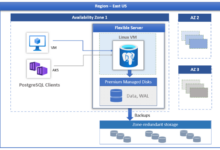
Dedicated Server with High Availability (HA)
Dedicated servers offer exclusive access to physical hardware, providing enhanced control, security, and performance. They cater to resource-intensive applications, websites with high traffic, and organizations demanding isolated and customizable environments.High availability (HA) refers to the ability of a dedicated server to maintain continuous operation and minimize downtime.
It ensures that critical applications and services remain accessible even in the event of hardware failures, power outages, or network disruptions. HA configurations employ redundant components and fault-tolerant architectures to achieve this resilience.
Benefits of HA in Dedicated Servers
- Business Continuity: HA ensures that businesses can continue operating even during server outages, minimizing disruptions and potential revenue loss.
- Reduced Downtime: HA minimizes downtime by providing automatic failover mechanisms, allowing applications and services to switch to backup systems seamlessly.
- Enhanced Reliability: HA configurations employ redundant components and fault-tolerant architectures, increasing the overall reliability of the dedicated server.
- Improved Performance: HA can enhance performance by load balancing across multiple servers, optimizing resource utilization, and minimizing bottlenecks.
Key Components and Technologies for HA Dedicated Servers
High availability (HA) dedicated servers require a combination of hardware and software components to ensure continuous operation and minimize downtime. These components work together to provide redundancy, fault tolerance, and load balancing, resulting in a highly reliable and resilient server infrastructure.
Hardware Components
- Load Balancers: Distribute incoming traffic across multiple servers, preventing any single server from becoming overloaded and ensuring optimal performance.
- Redundant Power Supplies: Provide backup power in case of a power outage, ensuring that the server remains operational even if one power supply fails.
- Fault-Tolerant Storage Systems: Utilize redundant storage devices, such as RAID arrays, to protect data from hardware failures and ensure continuous data access.
Software Components
- Virtualization Technologies: Allow multiple virtual machines to run on a single physical server, enabling resource isolation, improved utilization, and simplified management.
- Clustering: Groups multiple servers together to act as a single system, providing redundancy and failover capabilities to ensure continuous service availability.
- Failover: Automatically switches traffic from a failed server to a backup server, minimizing downtime and maintaining service continuity.
Design Considerations for HA Dedicated Server Infrastructure
When designing a HA dedicated server infrastructure, numerous factors must be taken into account to guarantee optimal performance, reliability, and scalability. These considerations include redundancy, scalability, performance requirements, hardware and software selection, network configuration, and security measures.
Redundancy
Redundancy is a key aspect of HA infrastructure, ensuring that critical components have backups in case of failure. This involves replicating essential data and services across multiple servers, storage devices, and network links. Redundancy enhances fault tolerance, allowing the infrastructure to continue operating even if individual components fail.
Scalability
Scalability is crucial for HA infrastructure to accommodate changing business needs and traffic fluctuations. The infrastructure should be designed to easily scale up or down in terms of resources such as processing power, memory, and storage. This ensures that the infrastructure can handle increased workloads or adapt to reduced demand without compromising performance or availability.
Performance Requirements
Performance is a critical consideration for HA infrastructure, as it directly impacts the user experience and overall system responsiveness. Factors such as hardware specifications, network bandwidth, and software optimizations should be carefully evaluated to ensure that the infrastructure meets or exceeds the required performance levels.
Hardware and Software Selection
Selecting appropriate hardware and software components is essential for building a reliable and efficient HA infrastructure. Hardware choices should prioritize reliability, performance, and compatibility with the chosen software platform. Software components should be selected based on their stability, scalability, and ability to support HA configurations.
Network Configuration
Network configuration plays a vital role in ensuring HA. Proper network design can minimize single points of failure, optimize traffic flow, and enhance overall performance. This includes implementing redundant network links, utilizing load balancing techniques, and configuring appropriate routing protocols.
Security Measures
Security is paramount in HA infrastructure to protect against unauthorized access, data breaches, and cyber threats. Implementing robust security measures such as firewalls, intrusion detection systems, and encryption mechanisms is essential to safeguard sensitive data and maintain the integrity of the infrastructure.
Deployment and Management of HA Dedicated Servers
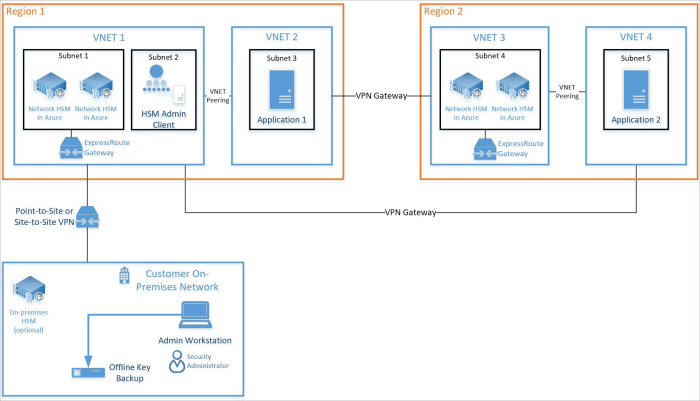
Deploying and managing HA dedicated servers involves careful planning and ongoing maintenance to ensure optimal performance and availability. It encompasses hardware installation, software setup, network configuration, monitoring, and disaster recovery strategies.
Hardware Installation and Configuration
The initial step is to install the physical hardware components of the HA dedicated servers. This includes selecting and configuring servers, storage devices, and network equipment that meet the requirements of the HA setup. Redundant components, such as multiple power supplies and network connections, are crucial to enhance fault tolerance.
Software Setup and Configuration
Once the hardware is in place, the necessary software and operating systems are installed and configured. This includes the HA software, which manages the failover process between servers, and any additional software required for the specific application or service being hosted.
Network Configuration
The network configuration is vital for ensuring seamless communication between the HA servers. This includes setting up redundant network connections, configuring load balancers to distribute traffic across servers, and implementing security measures to protect against unauthorized access.
Monitoring and Maintenance
Ongoing monitoring and maintenance are essential to ensure optimal performance and availability of the HA dedicated servers. This includes regular updates to the HA software and operating systems, monitoring system logs and performance metrics, and proactive maintenance tasks to prevent potential issues.
Disaster Recovery and Business Continuity
Disaster recovery and business continuity plans are critical components of HA dedicated server management. These plans Artikel the steps to be taken in the event of server failures or outages, including procedures for data backup and recovery, failover to backup servers, and communication with stakeholders.
Benefits and Use Cases of HA Dedicated Servers
HA dedicated servers offer significant advantages in terms of uptime, reliability, and cost-effectiveness, making them a valuable solution for businesses across various industries.
Improved Uptime and Reliability
HA dedicated servers are designed to provide near-continuous uptime, minimizing the risk of downtime due to hardware failures, software issues, or power outages. This is achieved through redundant components, such as multiple power supplies, hard drives, and network connections, which automatically failover in case of a component failure.
As a result, businesses can ensure that their critical applications and services remain available even during unexpected events.
Reduced Downtime
The high availability architecture of HA dedicated servers significantly reduces downtime, which is crucial for businesses that rely on uninterrupted operations. By eliminating single points of failure and providing automatic failover mechanisms, HA dedicated servers minimize the impact of hardware or software issues, allowing businesses to maintain productivity and customer satisfaction.
Cost-Effectiveness
Contrary to popular belief, HA dedicated servers can be cost-effective in the long run. While the initial investment may be higher compared to traditional server configurations, the reduced downtime, improved reliability, and increased productivity provided by HA dedicated servers can lead to significant cost savings over time.
Businesses can avoid the financial losses associated with downtime, reputational damage, and customer churn, making HA dedicated servers a worthwhile investment.
Industries and Applications
HA dedicated servers are particularly beneficial for industries and applications that demand high uptime and reliability, such as:
- E-commerce: Online retailers rely on HA dedicated servers to ensure uninterrupted access to their websites, especially during peak shopping periods, to prevent revenue loss and customer dissatisfaction.
- Healthcare: HA dedicated servers are crucial in healthcare organizations to maintain patient records, medical imaging data, and other sensitive information, ensuring continuous access to critical patient data.
- Financial Services: Financial institutions utilize HA dedicated servers to process transactions, manage customer accounts, and ensure the integrity of financial data, minimizing the risk of disruptions that could lead to financial losses.
Challenges and Limitations of HA Dedicated Servers
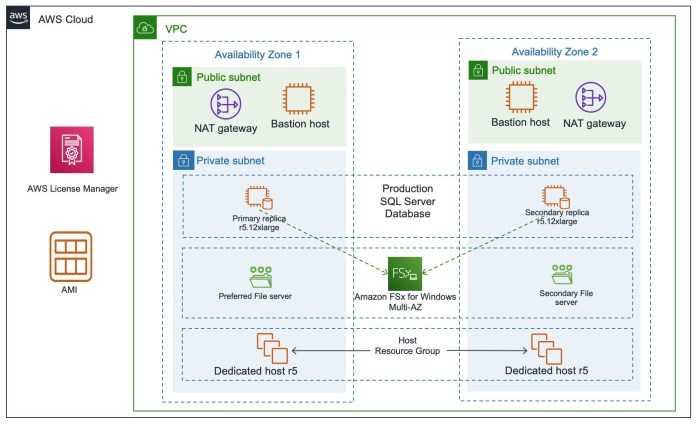
Deploying and managing HA dedicated servers come with certain challenges and limitations that need to be carefully considered. Understanding these constraints helps organizations make informed decisions about their HA infrastructure.
Complexity
HA dedicated server environments are inherently complex, requiring specialized knowledge and expertise to set up, configure, and maintain. Organizations must have skilled IT professionals with deep understanding of server technologies, networking, and clustering concepts. This complexity can also increase the risk of misconfigurations, which can lead to system outages or performance issues.
Cost
Implementing HA dedicated servers can be expensive, as it requires additional hardware, software, and licensing costs. Organizations need to factor in the cost of purchasing and maintaining multiple servers, networking equipment, load balancers, and HA software solutions. Additionally, the need for skilled IT professionals to manage the HA infrastructure can further increase the overall cost.
Resource Requirements
HA dedicated servers require significant resources, both in terms of hardware and software. The need for multiple servers, redundant components, and HA software can lead to increased power consumption, cooling requirements, and rack space. Organizations must ensure that their data center infrastructure can accommodate these resource demands.
Potential Single Points of Failure
Despite the redundancy and fault tolerance mechanisms in place, HA dedicated servers can still have potential single points of failure. These can include shared storage systems, network connectivity issues, or human errors during maintenance or upgrades. Organizations need to carefully design their HA architecture to minimize these single points of failure and ensure high availability.
Need for Skilled IT Professionals
Managing HA dedicated servers requires specialized skills and knowledge in server administration, networking, and clustering technologies. Organizations must have qualified IT professionals who can effectively manage and troubleshoot complex HA environments. The shortage of skilled IT professionals in the market can also pose a challenge in finding and retaining qualified personnel.
Mitigating Challenges
To mitigate these challenges and ensure successful HA dedicated server deployments, organizations can consider the following strategies:
Thorough Planning and Design
Organizations should conduct a thorough assessment of their requirements, workload characteristics, and availability needs. A well-designed HA architecture can help minimize complexity and reduce the risk of single points of failure.
Phased Implementation
Implementing HA in phases can help organizations gradually introduce redundancy and fault tolerance while minimizing disruption to existing operations.
Regular Testing and Maintenance
Organizations should regularly test their HA infrastructure to ensure that it functions as intended. Proactive maintenance and updates can help prevent potential issues and improve overall system reliability.
Invest in Training and Education
Organizations should invest in training and education programs to develop the skills and knowledge of their IT staff in managing HA dedicated servers. This can help address the shortage of skilled IT professionals and ensure that the HA infrastructure is properly managed.By
addressing these challenges and limitations, organizations can successfully deploy and manage HA dedicated servers, ensuring high availability and minimizing the risk of downtime for critical applications and services.
Future Trends and Innovations in HA Dedicated Server Technology
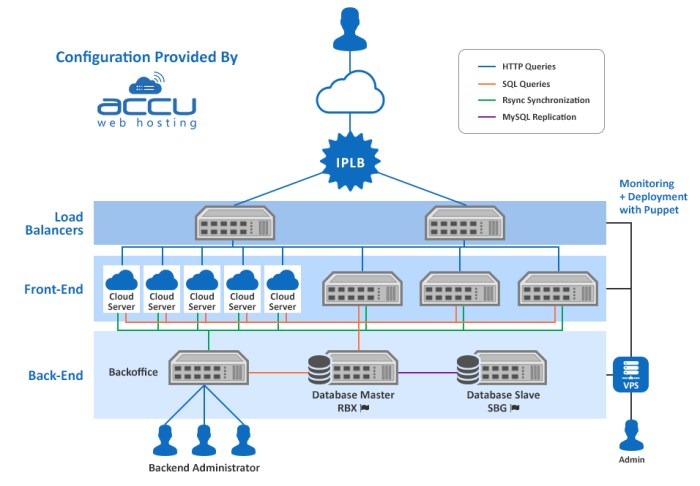
The future of HA dedicated server technology holds promising advancements that will redefine business continuity and resilience. One notable trend is the integration of artificial intelligence (AI) and machine learning (ML) for predictive maintenance and self-healing systems. AI-powered analytics can monitor server performance, detect anomalies, and proactively address potential issues before they disrupt operations.
This proactive approach minimizes downtime, improves resource utilization, and ensures optimal server performance.
Integration with Cloud and Edge Computing
The convergence of HA dedicated servers with cloud computing and edge computing technologies is another emerging trend. HA dedicated servers can seamlessly integrate with cloud platforms, enabling businesses to leverage the scalability, flexibility, and cost-effectiveness of the cloud while maintaining the security and control of a dedicated server environment.
Edge computing brings computation and data storage closer to end devices, reducing latency and improving performance for applications that require real-time processing.
Summary
As technology continues to evolve, HA dedicated servers will remain a cornerstone of business continuity and resilience. With advancements in AI, ML, and cloud integration, HA dedicated servers will become even more sophisticated and accessible, empowering businesses to thrive in an increasingly interconnected and demanding digital world.