Dedicated Servers with Enterprise-Grade Hardware: A Path to Enhanced Performance, Security, and Reliability

In today’s digital age, businesses and organizations rely heavily on robust and reliable IT infrastructure to support their critical applications and services. Among the various hosting options available, dedicated servers with enterprise-grade hardware stand out as a compelling choice for organizations seeking unparalleled performance, enhanced security, and unwavering reliability.
Dedicated servers offer exclusive access to physical hardware resources, eliminating the resource contention and performance bottlenecks often associated with shared hosting environments. By utilizing enterprise-grade hardware components, such as high-performance processors, ample memory, and redundant storage systems, dedicated servers ensure optimal performance, even under demanding workloads.

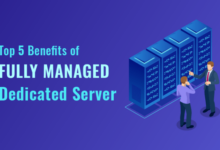


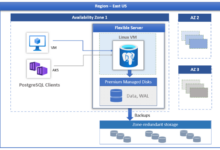
Defining Dedicated Server with Enterprise-Grade Hardware
A dedicated server is a powerful computing resource exclusively allocated to a single user or organization. Unlike shared hosting, where multiple users share a single physical server, a dedicated server offers complete control, flexibility, and enhanced performance for demanding applications.Enterprise-grade
hardware components are specifically designed to handle mission-critical applications and workloads that require high availability, reliability, and scalability. These components typically include:
Processor (CPU)
Dedicated servers often feature high-end CPUs with multiple cores and threads to handle complex computations and ensure smooth multitasking.
Memory (RAM)
Enterprise-grade servers come with substantial RAM capacities to accommodate large datasets, intensive workloads, and memory-intensive applications.
Storage (HDD/SSD)
Dedicated servers offer a range of storage options, including high-performance SSDs for rapid data access and traditional HDDs for cost-effective bulk storage.
Networking
Enterprise-grade servers feature high-speed network interfaces, such as Gigabit Ethernet or 10 Gigabit Ethernet, to ensure fast and reliable data transfer.
Redundancy
Many dedicated servers include redundant components, such as power supplies, network cards, and storage drives, to minimize downtime and maximize uptime.
Selecting High-Quality Hardware
Choosing high-quality hardware is crucial for mission-critical applications that demand reliability and performance. Enterprise-grade hardware is meticulously engineered and tested to meet rigorous standards, ensuring optimal performance and extended lifespans.
Key Features and Advantages
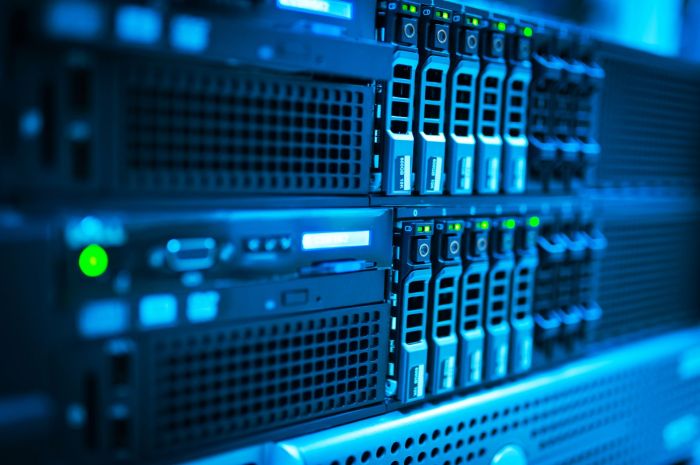
Dedicated servers with enterprise-grade hardware offer several advantages over shared hosting, providing superior performance, enhanced security, and unparalleled reliability.
Dedicated servers with enterprise-grade hardware provide exceptional performance due to their dedicated resources, eliminating the performance bottlenecks and resource contention commonly experienced in shared hosting environments. This dedicated infrastructure ensures consistently fast load times, seamless multitasking, and efficient handling of resource-intensive applications.
Security
Enterprise-grade hardware in dedicated servers incorporates advanced security features, safeguarding sensitive data and applications. These servers are equipped with robust firewalls, intrusion detection systems, and encryption protocols to protect against cyber threats and unauthorized access. Dedicated servers offer isolated environments, minimizing the risk of security breaches and ensuring data privacy and integrity.
Reliability
Dedicated servers with enterprise-grade hardware deliver exceptional reliability, minimizing downtime and ensuring uninterrupted business operations. These servers employ redundant components, including power supplies, storage devices, and network connections, to ensure continuous availability. Proactive monitoring and maintenance by experienced IT professionals further enhance reliability, guaranteeing optimal performance and preventing potential issues before they arise.
Comparison Table: Dedicated Servers vs. Shared Hosting
| Dedicated Server with Enterprise-Grade Hardware | Shared Hosting | |
|---|---|---|
| Resources | Dedicated resources (CPU, RAM, storage) | Shared resources among multiple users |
| Performance | Exceptional performance due to dedicated resources | Performance can be affected by resource contention |
| Security | Enhanced security with dedicated firewalls, IDS, and encryption | Limited security measures due to shared environment |
| Reliability | Exceptional reliability with redundant components and proactive maintenance | Lower reliability due to potential downtime caused by other users |
| Control | Full control over server configuration and software | Limited control over server configuration and software |
Suitable Industries and Use Cases
Dedicated servers with enterprise-grade hardware are ideally suited for industries and use cases requiring high performance, enhanced security, and unwavering reliability. These include:
- E-commerce: Online businesses with high traffic and transaction volumes benefit from the dedicated resources and security features of dedicated servers.
- Financial Services: Financial institutions and fintech companies rely on dedicated servers to safeguard sensitive data and ensure secure transactions.
- Healthcare: Healthcare providers and organizations require dedicated servers to protect patient data and maintain HIPAA compliance.
- Gaming: Gaming companies and online multiplayer games demand high-performance dedicated servers to deliver seamless gaming experiences.
- Media and Entertainment: Media companies and content providers leverage dedicated servers for streaming services, video editing, and content distribution.
Considerations for Choosing a Dedicated Server
Selecting the right dedicated server for your specific needs is crucial for ensuring optimal performance and reliability. Consider the following factors to make an informed decision:
Processing Power
Dedicated servers offer a wide range of processing power options, from single-core to multi-core processors with varying clock speeds. Assess your application requirements and choose a server with a processor that can handle your current and future workloads efficiently.
Memory
Memory (RAM) plays a vital role in the performance of your dedicated server. Choose a server with sufficient RAM to accommodate your applications and operating system smoothly. Consider upgrading to a server with more memory if you plan to run memory-intensive applications or handle large datasets.
Storage Capacity
Storage capacity is another important consideration, especially if you plan to store large amounts of data, such as media files, databases, or customer information. Choose a server with enough storage capacity to meet your current and future storage needs. Consider opting for a server with redundant storage options, such as RAID arrays, to protect your data from hardware failures.
Network Connectivity
Network connectivity is crucial for ensuring fast and reliable data transfer. Consider the network bandwidth and speed requirements of your applications and choose a server with an appropriate network interface. Additionally, consider the location of the server and the proximity to your target audience or users to minimize latency and improve performance.
Reputation of Hosting Provider
Choosing a reputable hosting provider is essential for ensuring reliable service and support. Look for a provider with a strong track record of customer satisfaction, technical expertise, and 24/7 support. Read reviews and testimonials from existing customers to gauge the provider’s reliability and responsiveness.
Best Practices for Managing a Dedicated Server
Maintaining a dedicated server requires attention to security, monitoring, and backups. It’s crucial to keep the server up-to-date, track its performance, and have a backup plan in place.
Security Measures
- Install and maintain a robust firewall to block unauthorized access and protect against malicious attacks.
- Regularly update the operating system and software applications to patch vulnerabilities and prevent exploits.
- Implement strong password policies and use two-factor authentication to enhance security.
- Monitor server logs for suspicious activities and respond promptly to security alerts.
Security and Compliance Considerations
Enterprises choosing dedicated servers must prioritize security measures and compliance requirements to safeguard sensitive data and maintain regulatory adherence. Implementing robust security protocols and following industry best practices are crucial in protecting against cyber threats and ensuring data integrity.
When selecting a dedicated server provider, evaluating their security features and compliance certifications is essential. Look for providers offering features like:
- Encrypted Data Transmission: Ensures data transferred between the server and clients is encrypted, minimizing the risk of interception and unauthorized access.
- Firewalls: Advanced firewalls monitor and filter network traffic, blocking unauthorized access and preventing malicious attacks.
- Intrusion Detection and Prevention Systems (IDS/IPS): These systems detect and prevent unauthorized access attempts, malicious activities, and network intrusions.
- DDoS Protection: Dedicated servers should offer protection against Distributed Denial-of-Service (DDoS) attacks, ensuring uninterrupted service and website accessibility.
- Regular Security Updates: Providers should regularly update security patches and software to address vulnerabilities and enhance server protection.
Compliance Certifications
In addition to security features, consider providers with compliance certifications such as:
- ISO 27001: Demonstrates an organization’s commitment to information security management.
- PCI DSS: Essential for businesses handling credit card data, ensuring compliance with Payment Card Industry Data Security Standards.
- HIPAA: Required for healthcare organizations, ensuring compliance with Health Insurance Portability and Accountability Act regulations.
Implementing Security Best Practices
Beyond choosing a secure provider, implementing industry-standard security protocols and best practices is crucial:
- Strong Passwords: Enforce strong password policies for server access, regularly changing passwords and using unique combinations.
- Regular Software Updates: Keep software and operating systems up to date with the latest security patches and updates.
- Access Control: Implement role-based access control (RBAC) to restrict user access to specific resources and data.
- Regular Backups: Regularly back up data to a secure offsite location to protect against data loss due to hardware failure or cyberattacks.
- Security Audits: Conduct regular security audits to identify vulnerabilities and ensure compliance with security standards.
Cost and Pricing Models
Understanding the cost and pricing models for dedicated servers with enterprise-grade hardware is essential for businesses looking to optimize their IT infrastructure and budget.There are several pricing models commonly used for dedicated servers:
Hourly Pricing
Hourly pricing is a flexible option that allows businesses to pay only for the time they use the server. This model is suitable for businesses with fluctuating or unpredictable workloads or those who need short-term or temporary server resources.
Monthly Pricing
Monthly pricing is a common option that offers a fixed monthly fee for the use of a dedicated server. This model provides a predictable cost structure and is suitable for businesses with consistent or predictable workloads.
Annual Pricing
Annual pricing offers a discounted rate for businesses that commit to a longer-term contract. This model can provide significant cost savings compared to hourly or monthly pricing but requires a larger upfront investment.The cost of a dedicated server with enterprise-grade hardware can vary significantly depending on several factors:
Hardware Specifications
The type and quantity of hardware components, such as processors, memory, storage, and networking capabilities, can impact the cost of the server.
Location
The location of the server, such as the data center or cloud region, can also affect the cost due to factors like local taxes, energy costs, and infrastructure availability.
Support Options
The level of support and maintenance included in the pricing plan can vary, with some providers offering 24/7 support, proactive monitoring, and hardware replacement services.To optimize costs and choose the right pricing model for their business needs, organizations should consider the following tips:
Assess Workload Requirements
Carefully evaluate the workload requirements, including peak usage periods, resource utilization, and growth projections, to determine the appropriate server specifications and pricing model.
Compare Pricing Plans
Compare pricing plans from multiple providers, considering factors such as hardware specifications, support options, and contract terms to find the best value for the money.
Consider Scalability
Choose a pricing model that allows for easy scaling up or down of resources as business needs change, to avoid overpaying for unused capacity or facing limitations during peak usage periods.
Negotiate Contracts
For long-term contracts, negotiate with providers to obtain better pricing terms, discounts, or additional services.
Future Trends and Innovations
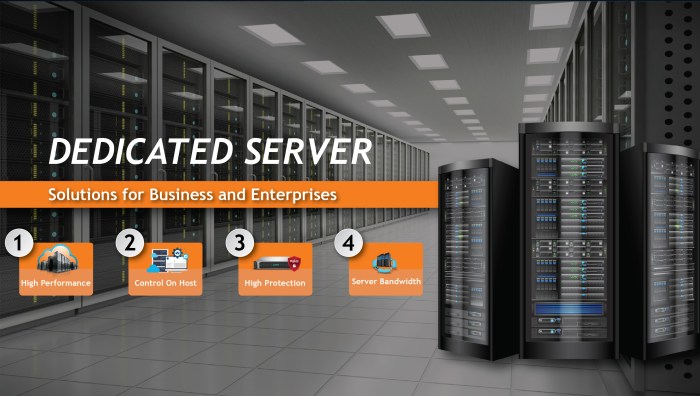
The dedicated server market is continuously evolving, driven by technological advancements and changing IT requirements. Several emerging trends and innovations are shaping the future of dedicated servers with enterprise-grade hardware.
One significant trend is the integration of artificial intelligence (AI) and machine learning (ML) technologies into dedicated server management and optimization. AI-powered tools can automate tasks, analyze data, and provide real-time insights, enabling businesses to optimize resource utilization, enhance performance, and predict potential issues.
Impact of Cloud Computing and Virtualization
Cloud computing and virtualization technologies have significantly impacted the demand for dedicated servers. While cloud services offer scalability and flexibility, dedicated servers provide greater control, security, and customization. As organizations seek hybrid IT solutions, the demand for dedicated servers with enterprise-grade hardware is expected to remain strong.
Future of Dedicated Servers
Dedicated servers with enterprise-grade hardware are likely to play a crucial role in the evolving IT landscape. As businesses continue to generate and process massive amounts of data, they will require powerful and reliable infrastructure to support their operations. Dedicated servers can provide the necessary resources, security, and flexibility to meet these demands.
Conclusion
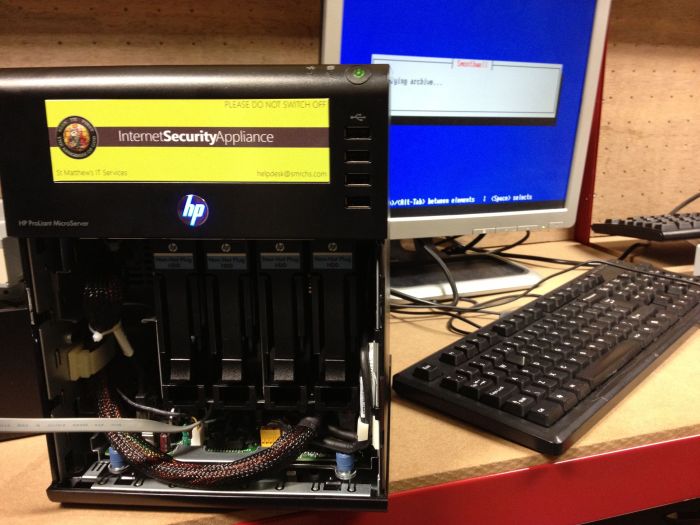
In conclusion, dedicated servers with enterprise-grade hardware represent a cornerstone of modern IT infrastructure, providing organizations with the power, security, and flexibility to meet the evolving demands of their mission-critical applications and services. By carefully selecting a reputable hosting provider, implementing industry-standard security measures, and adopting best practices for management and maintenance, organizations can harness the full potential of dedicated servers to drive innovation, enhance productivity, and achieve lasting success in the digital realm.