In the ever-evolving digital landscape, businesses and organizations seek reliable and high-performance hosting solutions to power their online ventures. Among the spectrum of hosting options, dedicated servers with managed services emerge as a compelling choice, offering a potent combination of dedicated resources, expert administration, and tailored support.
Dedicated servers, coupled with managed services, provide a secure and scalable foundation for businesses seeking to optimize their online presence. This comprehensive guide delves into the intricacies of dedicated servers with managed services, exploring their benefits, applications, and key considerations, empowering you to make informed decisions for your hosting needs.



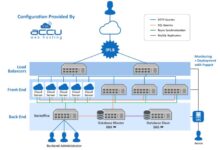

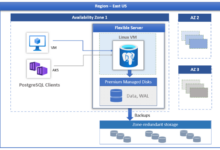
Overview of Dedicated Server with Managed Services
Dedicated servers with managed services offer an exclusive hosting solution that caters to the demanding needs of websites and applications requiring high performance, security, and control. Unlike shared hosting, where multiple websites share a single server, a dedicated server allocates an entire physical server exclusively for your use.
Additionally, managed services provide comprehensive support, ensuring optimal server performance, security, and maintenance, allowing you to focus on your core business activities.
Benefits of Utilizing Dedicated Servers with Managed Services:
- Unparalleled Performance and Scalability: Dedicated servers provide exceptional speed, processing power, and memory, enabling seamless handling of resource-intensive applications and traffic surges.
- Enhanced Security and Compliance: Managed services include robust security measures such as firewalls, intrusion detection systems, and regular security audits to safeguard your data and comply with industry regulations.
- Expert Technical Support: With managed services, you gain access to a team of experienced professionals who proactively monitor, maintain, and troubleshoot your server, ensuring optimal uptime and performance.
- Customized Solutions: Dedicated servers with managed services offer the flexibility to tailor configurations and software to meet your specific requirements, providing a highly personalized hosting experience.
Comparison with Shared Hosting and Virtual Private Servers (VPS):
Dedicated servers with managed services offer distinct advantages over shared hosting and VPS:
- Dedicated Resources: Unlike shared hosting, where resources are shared among multiple users, dedicated servers provide exclusive access to all server resources, eliminating the impact of other websites on your performance.
- Superior Control and Flexibility: Dedicated servers grant you complete control over your server configuration, software, and security settings, allowing for customization and optimization tailored to your unique needs.
- Enhanced Security: Managed services provide advanced security features and proactive monitoring to safeguard your data and prevent unauthorized access, ensuring a secure hosting environment.
- Expert Support: Dedicated servers with managed services include dedicated technical support, offering rapid response times, expert guidance, and proactive maintenance to keep your server running smoothly.
Managed Services Typically Included
Managed dedicated servers come with a comprehensive range of services that alleviate the burden of server management, allowing businesses to focus on their core competencies. These services encompass essential aspects of server administration, maintenance, and security.
Server Administration and Maintenance
Dedicated server management involves numerous tasks, including hardware maintenance, software updates, performance monitoring, and configuration optimization. Managed service providers take care of these tasks, ensuring that servers are always up-to-date, secure, and operating at peak performance. Their expertise ensures efficient server operation, freeing businesses from the complexities of server administration.
Security Updates and Monitoring
In the face of evolving cyber threats, regular security updates and monitoring are crucial for maintaining server stability and protection. Managed service providers monitor servers 24/7 for suspicious activities, apply security patches promptly, and implement robust security measures to safeguard data and prevent unauthorized access.
Data Backup and Recovery
Data loss can be catastrophic for businesses. Managed service providers offer data backup and recovery services to protect critical data. Regular backups ensure that data can be quickly restored in the event of hardware failure, accidental deletion, or cyber attacks, minimizing downtime and data loss.
Scalability and Load Balancing
As businesses grow, their server requirements may change. Managed service providers can scale server resources up or down to accommodate changing needs, ensuring optimal performance. They also implement load balancing techniques to distribute traffic across multiple servers, improving responsiveness and preventing server overload.
Technical Support and Troubleshooting
Managed service providers offer dedicated technical support teams that are available 24/7 to assist with server-related issues. They can quickly diagnose and resolve problems, minimizing downtime and ensuring business continuity.
Considerations for Choosing a Dedicated Server with Managed Services
Selecting the right dedicated server with managed services requires careful consideration of several key factors. These include the provider’s reputation, expertise, and customer support capabilities. By evaluating these aspects, you can ensure a reliable and efficient hosting experience for your business-critical applications.
Choosing a Reliable Provider
Opting for a provider with a proven track record of reliability is paramount. Look for companies that have been in the industry for a significant period and have a reputation for delivering high-uptime services. Check online reviews, customer testimonials, and industry forums to gauge the provider’s reliability and trustworthiness.
Assessing Expertise and Experience
Evaluate the provider’s expertise and experience in managing dedicated servers. Consider their technical capabilities, the range of services they offer, and their ability to handle complex server configurations and troubleshooting scenarios. A provider with extensive experience in managing dedicated servers is more likely to provide reliable and efficient services.
Customer Support Capabilities
Consider the provider’s customer support capabilities to ensure they can promptly address any issues or queries you may have. Look for providers that offer 24/7 support via multiple channels, such as phone, email, and live chat. Assess the responsiveness, knowledge, and resolution time of their support team to ensure they can effectively assist you when needed.
Applications and Use Cases for Dedicated Servers with Managed Services
Dedicated servers with managed services offer reliable and secure hosting solutions tailored to the unique demands of businesses and organizations with high-traffic websites, resource-intensive applications, and sensitive data.
Businesses and Organizations That Benefit from Dedicated Servers with Managed Services
Dedicated servers with managed services are ideal for businesses and organizations that require high levels of performance, security, and control over their IT infrastructure. This hosting solution is particularly suitable for the following entities:
- E-commerce Platforms: Online retailers with high-traffic websites and a large customer base benefit from the scalability, security, and performance of dedicated servers with managed services.
- High-Traffic Websites: Websites with millions of monthly visitors, such as news portals, social media platforms, and online gaming sites, require the robust infrastructure and expert support provided by dedicated servers with managed services.
- Resource-Intensive Applications: Businesses that use resource-intensive applications, such as data analytics, scientific modeling, or video rendering, require the dedicated resources and high-performance capabilities of dedicated servers with managed services.
- Healthcare Providers: Healthcare organizations with sensitive patient data benefit from the HIPAA compliance and robust security features of dedicated servers with managed services.
- Financial Institutions: Financial institutions that handle sensitive financial data and require high levels of security and compliance rely on dedicated servers with managed services to protect their systems and data.
Case Studies and Success Stories
Numerous businesses and organizations have experienced significant benefits by using dedicated servers with managed services:
- E-commerce Giant: A leading e-commerce company increased its website performance and scalability by migrating to dedicated servers with managed services, resulting in a 30% increase in sales.
- Social Media Platform: A popular social media platform enhanced its user experience and reduced downtime by implementing dedicated servers with managed services, leading to a 20% growth in monthly active users.
- Healthcare Provider: A healthcare organization improved patient data security and compliance by adopting dedicated servers with managed services, ensuring the protection of sensitive information.
Cost Considerations and Pricing Models
Understanding the pricing models and cost factors associated with dedicated servers with managed services is crucial for making informed decisions and optimizing expenses.
Pricing Models
Dedicated servers with managed services are typically priced using various models, including:
- Monthly Fees: A fixed monthly charge covers the cost of the server, managed services, and support.
- Hourly Rates: The customer is charged based on the number of hours the server is used, providing flexibility for fluctuating usage.
- Usage-Based Billing: Charges are incurred based on actual resource consumption, such as bandwidth, storage, and processing power.
Factors Influencing Cost
The cost of dedicated servers with managed services is influenced by several factors:
- Server Specifications: The hardware configuration, including CPU, RAM, storage, and network bandwidth, impacts the cost.
- Level of Support: The extent of managed services provided, such as 24/7 support, proactive monitoring, and security updates, affects the pricing.
- Additional Services: Optional add-ons like data backups, disaster recovery, and load balancing can increase the overall cost.
Optimizing Costs
To optimize costs and select the most suitable pricing model:
- Assess Usage Patterns: Analyze server usage patterns to determine the most appropriate pricing model (monthly, hourly, or usage-based).
- Choose the Right Server Specifications: Select a server configuration that aligns with current and future requirements, avoiding overprovisioning or underprovisioning.
- Evaluate Managed Services: Carefully evaluate the level of managed services required and consider whether in-house resources can handle certain tasks.
- Negotiate Contracts: Negotiate contracts with providers to secure favorable terms, including discounts for long-term commitments or volume purchases.
Security and Compliance

Dedicated servers with managed services offer enhanced security features and compliance measures that provide peace of mind to organizations. Managed service providers take responsibility for ensuring the security of the server, implementing measures such as firewalls, intrusion detection systems, and regular security audits.
This ensures compliance with industry standards and regulations, reducing the burden on organizations and ensuring data protection.
Provider’s Responsibility for Server Security
Managed service providers are responsible for implementing and maintaining security measures on the dedicated server. This includes:
- Installing and configuring firewalls to block unauthorized access to the server.
- Implementing intrusion detection systems to monitor for suspicious activity and alert the provider to potential threats.
- Performing regular security audits to identify vulnerabilities and ensure compliance with industry standards and regulations.
- Updating software and security patches promptly to address vulnerabilities and prevent exploitation.
Compliance with Industry Standards and Regulations
Dedicated servers with managed services can help organizations comply with industry standards and regulations, such as:
- Payment Card Industry Data Security Standard (PCI DSS): This standard is essential for businesses that process credit card payments, as it Artikels security measures to protect cardholder data.
- Health Insurance Portability and Accountability Act (HIPAA): This law protects the privacy and security of patient health information.
- Sarbanes-Oxley Act (SOX): This law requires public companies to maintain accurate financial records and ensure the integrity of their financial reporting.
By choosing a dedicated server with managed services, organizations can ensure that their data is protected and that they are compliant with relevant industry standards and regulations.
Scalability and Growth

Dedicated servers with managed services offer exceptional scalability and growth potential to accommodate evolving business needs and traffic demands.
Upgradeability and Resource Expansion
These servers allow seamless upgrades of server resources, including CPU, RAM, and storage, enabling businesses to scale up their infrastructure as their operations expand. This flexibility ensures that the server can handle increased workloads, traffic surges, and data growth without experiencing performance bottlenecks.
Provider-Facilitated Scaling
Managed service providers play a crucial role in facilitating seamless scaling processes. They proactively monitor server performance and resource utilization, identifying potential bottlenecks and recommending timely upgrades to prevent disruptions. The provider’s expertise ensures that scaling operations are executed smoothly, minimizing downtime and maintaining optimal server performance.
Migration Assistance and Minimal Disruption
During scaling operations, such as server upgrades or migrations, managed service providers take proactive steps to minimize disruption to ongoing operations. They employ techniques like live migration, where server workloads are seamlessly transferred to a new server without downtime, ensuring business continuity and uninterrupted service delivery.
Customer Support and Service Level Agreements (SLAs)
Intro ParagraphSelecting a provider that offers reliable customer support and comprehensive SLAs is crucial for a seamless and satisfactory experience with your dedicated server and managed services. SLAs define the provider’s commitments regarding uptime, response times, and resolution of issues, ensuring a certain level of service quality.
Types of Support Channels
Intro ParagraphVarious support channels are typically available to assist you with any queries or issues you may encounter. These channels may include phone, email, live chat, and ticket systems. Some providers also offer 24/7 support, ensuring prompt assistance whenever needed.
Significance of SLAs
Intro ParagraphSLAs are legally binding agreements that Artikel the provider’s obligations and commitments to the customer. They define the expected levels of service, including uptime guarantees, response times for support requests, and resolution timeframes for issues. SLAs ensure transparency and accountability, providing customers with a clear understanding of the services they can expect.
Uptime Guarantees
Intro ParagraphUptime guarantees are a critical aspect of SLAs, as they ensure that the dedicated server and managed services are available and operational for a specified percentage of time. Typical uptime guarantees range from 99.9% to 99.99%, with some providers offering even higher guarantees.
Response and Resolution Times
Intro ParagraphSLAs also define the response and resolution times for support requests. Response times specify how quickly the provider will acknowledge and respond to a support request, while resolution times indicate the timeframe within which the issue will be resolved.
These metrics are essential for ensuring timely and effective support.
Last Point

Dedicated servers with managed services stand as a cornerstone of modern hosting solutions, catering to businesses and organizations with demanding requirements. By harnessing the power of dedicated resources, expert administration, and tailored support, you can unlock new horizons of performance, security, and scalability.
Embrace the advantages of dedicated servers with managed services and elevate your online presence to new heights.